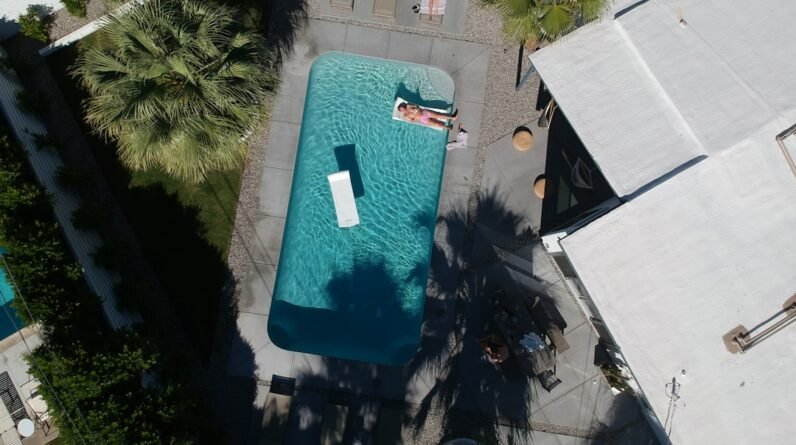
When you decide to install an above-ground pool, one of the most crucial aspects to consider is the materials that will surround it. The right choice of materials not only enhances the aesthetic appeal of your pool area but also contributes to safety, durability, and maintenance ease. As you embark on this journey, you’ll find a variety of options available, each with its unique benefits and drawbacks.
Understanding these materials will help you create a space that is not only functional but also inviting for family and friends. Choosing the right materials can significantly impact your overall experience with your above-ground pool. From the decking that provides a safe and comfortable area for lounging to the landscaping that frames your pool, every element plays a role in how you enjoy your outdoor oasis.
In this article, we will explore various materials suitable for above-ground pools, helping you make informed decisions that align with your style, budget, and maintenance preferences.
Key Takeaways
- Above ground pools can be constructed with a variety of materials, each with its own benefits and considerations.
- Wood decking options provide a natural and classic look, but require regular maintenance and can be prone to rot and decay.
- Composite decking materials offer the look of wood with less maintenance and greater durability, but can be more expensive.
- Concrete and pavers provide a durable and customizable option for pool surrounds, but can be prone to cracking and may require regular maintenance.
- Gravel and stone offer a natural and low-maintenance option for pool surrounds, but may not be as comfortable for walking and lounging.
Wood Decking Options
Wood decking is a classic choice for above-ground pools, offering a natural aesthetic that blends seamlessly with outdoor environments. When you opt for wood, you have several types to consider, including pressure-treated lumber, cedar, and redwood. Pressure-treated lumber is often the most economical option, providing durability and resistance to rot and insects.
However, it requires regular maintenance, such as sealing and staining, to prolong its lifespan and maintain its appearance. Cedar and redwood are more expensive but offer natural resistance to decay and insects. Their rich colors and aromatic qualities can enhance the ambiance of your pool area.
If you choose wood decking, be prepared for some upkeep; regular cleaning and periodic sealing will help protect the wood from moisture and UV damage. Ultimately, wood decking can create a warm and inviting atmosphere around your pool, making it an excellent choice for those who appreciate a natural look.
Composite Decking Materials
If you’re looking for a low-maintenance alternative to traditional wood decking, composite materials might be the perfect fit for you. Composite decking is made from a blend of wood fibers and recycled plastic, resulting in a product that mimics the appearance of wood while offering enhanced durability. One of the significant advantages of composite decking is its resistance to fading, staining, and warping, making it an ideal choice for poolside environments where moisture is prevalent.
In addition to its practical benefits, composite decking comes in various colors and textures, allowing you to customize your pool area to match your personal style. You won’t have to worry about splinters or extensive maintenance; a simple wash with soap and water is often all that’s needed to keep it looking fresh. As you consider your options, composite decking stands out as a versatile choice that combines beauty with functionality.
Concrete and Pavers
Concrete is another popular material for above-ground pool areas due to its strength and versatility. You can pour concrete in various shapes and sizes, allowing you to create a custom design that fits your space perfectly. Additionally, concrete can be stamped or stained to mimic other materials like stone or tile, giving you the freedom to achieve the look you desire without sacrificing durability.
Pavers are another excellent option if you prefer a more modular approach. These interlocking stones come in various colors, shapes, and sizes, allowing for creative patterns that can enhance the visual appeal of your pool area. Both concrete and pavers require minimal maintenance compared to wood options; occasional cleaning and sealing will keep them looking their best.
With their robust nature and design flexibility, concrete and pavers are ideal choices for creating a stylish yet functional poolside environment.
Gravel and Stone
Gravel and stone are often overlooked as materials for above-ground pool areas but can provide a unique aesthetic while offering practical benefits. Gravel is an excellent drainage solution, preventing water from pooling around your pool area. It’s also relatively inexpensive and easy to install, making it an attractive option for budget-conscious homeowners.
You can choose from various sizes and colors of gravel to create a look that complements your landscape. Stone offers a more upscale appearance while providing durability and stability. Natural stone can be used for pathways or as decorative accents around your pool area.
While gravel requires minimal maintenance, stone may need occasional cleaning to remove dirt or algae buildup. Both options can create a rustic charm that enhances the overall ambiance of your outdoor space while ensuring proper drainage around your pool.
Rubber Mulch or Recycled Rubber
Rubber mulch or recycled rubber is an innovative material that has gained popularity in recent years for poolside landscaping. Made from recycled tires, rubber mulch provides a soft surface that is safe for children and pets while also being environmentally friendly. One of the most significant advantages of rubber mulch is its ability to absorb impact, reducing the risk of injury from falls around the pool area.
In addition to safety benefits, rubber mulch is highly durable and resistant to fading from UV exposure. It doesn’t decompose like organic mulches, meaning you won’t have to replace it frequently. The variety of colors available allows you to customize your pool area while maintaining a clean look.
If you’re looking for a safe, low-maintenance option that contributes positively to the environment, rubber mulch could be an excellent choice for your above-ground pool.
Artificial Turf or Grass
Artificial turf has become increasingly popular as a landscaping option around above-ground pools due to its lush appearance and low maintenance requirements. Unlike natural grass, artificial turf doesn’t require mowing, watering, or fertilizing, making it an ideal choice for busy homeowners who want a beautiful outdoor space without the hassle of upkeep. It provides a soft surface that feels great underfoot while also being resistant to fading from sun exposure.
One of the significant benefits of artificial turf is its ability to drain water effectively, preventing muddy patches around your pool area after rainstorms or splashes from swimming activities. Additionally, many modern artificial turfs are designed with advanced technology that helps keep them cool underfoot, making them comfortable even on hot summer days. If you desire a green space that looks pristine year-round without the labor-intensive maintenance of natural grass, artificial turf may be the perfect solution for your above-ground pool.
PVC or Vinyl Lining
When it comes to above-ground pools themselves, PVC or vinyl lining is often used as a protective barrier between the water and the pool structure. This material is known for its flexibility and durability, allowing it to conform to various shapes while providing a watertight seal. Vinyl liners come in various colors and patterns, enabling you to customize the interior look of your pool according to your preferences.
One of the significant advantages of vinyl lining is its resistance to algae growth when properly maintained. Regular cleaning and balancing of chemicals will help keep your liner looking fresh while extending its lifespan. While vinyl liners may require replacement every 5-10 years depending on usage and care, they offer an affordable option for maintaining the integrity of your above-ground pool while enhancing its visual appeal.
Natural or Synthetic Grass
Natural grass can provide a beautiful backdrop for your above-ground pool area but comes with its own set of challenges. Maintaining natural grass requires regular mowing, watering, and fertilizing to keep it healthy and lush throughout the swimming season. However, if you enjoy gardening and have the time to dedicate to upkeep, natural grass can create a vibrant environment that enhances your outdoor experience.
On the other hand, synthetic grass offers many benefits similar to artificial turf but may be more suitable for specific applications around pools. It provides a soft surface without the mud or mess associated with natural grass while still delivering an attractive green appearance year-round. If you’re looking for an easy-to-maintain option that still gives you that natural feel without the hassle of upkeep, synthetic grass could be an excellent compromise.
Interlocking Tiles
Interlocking tiles are another versatile option for above-ground pool areas that offer both functionality and style. These tiles come in various materials such as plastic or rubber and can be easily installed without professional help. Their interlocking design allows for quick assembly while providing a stable surface around your pool.
One of the significant advantages of interlocking tiles is their ability to provide traction when wet, reducing the risk of slips and falls around the pool area. Additionally, they are easy to clean; simply hose them down or wipe them with a damp cloth as needed. With numerous colors and patterns available, interlocking tiles allow you to customize your poolside space while ensuring safety and comfort for all who enjoy it.
Safety Considerations and Maintenance Tips
Safety should always be at the forefront when designing your above-ground pool area. Regardless of the materials you choose, ensuring that your space is safe for children and pets is paramount. Consider installing non-slip surfaces around the pool deck to minimize accidents when wet.
Additionally, fencing around the pool area can provide an extra layer of security by preventing unsupervised access. Maintenance is equally important in preserving both safety and aesthetics in your above-ground pool area. Regularly inspect all materials for signs of wear or damage; this includes checking wooden decks for rot or splintering and ensuring that synthetic surfaces remain intact without tears or fading.
Keeping up with routine cleaning will not only enhance the appearance of your space but also contribute positively to safety by preventing slips caused by algae or debris buildup. In conclusion, creating an inviting above-ground pool area involves careful consideration of various materials available on the market today. By understanding each option’s benefits and drawbacks—from wood decking to synthetic grass—you can make informed decisions that align with your lifestyle preferences while ensuring safety and ease of maintenance in your outdoor oasis.
FAQs
What are the options for materials to put around my above ground pool?
Some common options for materials to put around your above ground pool include concrete, pavers, gravel, mulch, and wood decking.
What are the benefits of using concrete around my above ground pool?
Concrete is a durable and low-maintenance option for the area around your above ground pool. It provides a smooth and clean surface for walking and lounging, and can be customized with various finishes and colors.
What are the benefits of using pavers around my above ground pool?
Pavers are a versatile and attractive option for the area around your above ground pool. They come in a variety of shapes, sizes, and colors, and can be easily replaced if damaged. They also provide good traction and are relatively low-maintenance.
What are the benefits of using gravel around my above ground pool?
Gravel is a cost-effective and easy-to-install option for the area around your above ground pool. It provides good drainage and can help prevent weeds from growing. However, it may not be the most comfortable option for walking barefoot.
What are the benefits of using mulch around my above ground pool?
Mulch is a natural and affordable option for the area around your above ground pool. It provides good drainage, helps to retain moisture in the soil, and can add a decorative touch to your pool area. However, it may require more frequent replacement compared to other materials.
What are the benefits of using wood decking around my above ground pool?
Wood decking is a popular and stylish option for the area around your above ground pool. It provides a warm and natural look, and can be customized with various finishes and designs. However, it may require more maintenance compared to other materials, such as sealing and staining.