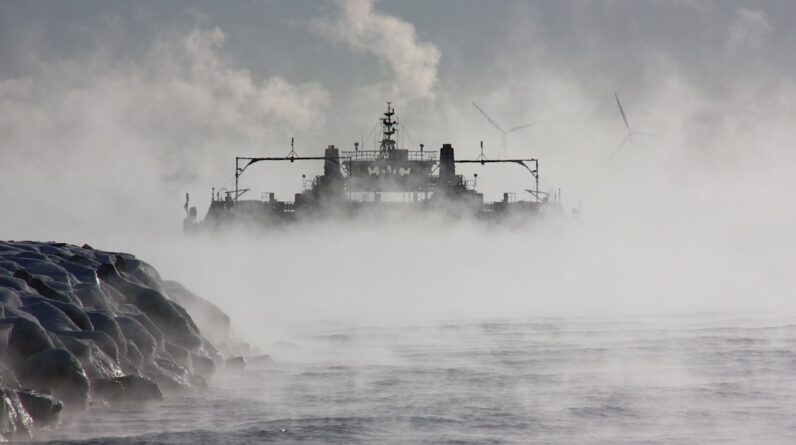
Water evaporation is a natural process that occurs in every pool, regardless of its size or type. As the sun shines down on the surface of your pool, heat energy causes water molecules to gain energy and transition from a liquid state to a gaseous state. This phenomenon can lead to significant water loss over time, which not only affects your pool’s water level but also impacts your maintenance routine and overall enjoyment of the pool.
Understanding how evaporation works is crucial for any pool owner, as it allows you to take proactive measures to mitigate its effects. When you observe the shimmering surface of your pool, it may seem like a serene oasis, but beneath that calm exterior lies a constant battle against evaporation. Factors such as temperature, humidity, and wind speed all play a role in how quickly water evaporates from your pool.
For instance, on hot, dry days, you may notice that the water level drops more rapidly than on cooler, humid days. By grasping the mechanics of evaporation, you can better appreciate the importance of maintaining your pool’s water level and implementing strategies to reduce unnecessary loss.
Key Takeaways
- Water evaporation in pools is a natural process caused by heat and wind
- Factors contributing to water evaporation include temperature, humidity, wind, and pool size
- Tips for reducing water evaporation include using a pool cover, windbreaks, and adjusting water temperature
- Installing a pool cover can significantly reduce water evaporation and heat loss
- Using windbreaks such as fences or shrubs can help minimize evaporation and heat loss
Factors Contributing to Water Evaporation
Several factors contribute to the rate at which water evaporates from your pool. One of the most significant is temperature. As the air temperature rises, so does the rate of evaporation.
Warm air holds more moisture than cooler air, which means that on hot days, your pool will lose water more quickly. Additionally, if you live in an area with low humidity, the evaporation rate can increase even further. Understanding these environmental conditions can help you anticipate when your pool might require more frequent refills.
Wind is another critical factor that can accelerate evaporation. When breezes sweep across the surface of your pool, they carry away water vapor, creating a vacuum effect that draws more water into the air. This is particularly noticeable in open areas where there are few barriers to block the wind.
If you find that your pool is situated in a windy location, you may need to take additional steps to combat evaporation and maintain your water levels effectively.
Tips for Reducing Water Evaporation
To minimize water loss due to evaporation, there are several practical tips you can implement. One effective strategy is to adjust your pool’s operating hours. If you run your pool pump during the hottest parts of the day, you may inadvertently increase evaporation rates.
Instead, consider running your pump during cooler hours, such as early morning or late evening, when temperatures are lower and humidity levels are higher. Another simple yet effective method is to maintain proper water levels. Keeping your pool filled to the appropriate level not only ensures optimal performance of your skimmer and pump but also reduces the surface area exposed to air, thereby decreasing evaporation rates.
Regularly checking and adjusting your water levels can make a significant difference in how much water you lose over time.
Installing a Pool Cover
One of the most effective ways to combat evaporation is by installing a pool cover. A cover acts as a barrier between the air and the water surface, significantly reducing the amount of moisture that escapes into the atmosphere. There are various types of covers available, including solar covers, safety covers, and winter covers, each designed for specific purposes and seasons.
By choosing the right cover for your needs, you can effectively minimize evaporation while also keeping debris out of your pool. Using a pool cover not only helps reduce evaporation but also aids in maintaining water temperature. Solar covers, for instance, can trap heat from the sun during the day and retain it overnight, reducing the need for additional heating.
This dual benefit makes investing in a quality pool cover a wise decision for any pool owner looking to save on both water and energy costs.
Using Windbreaks to Minimize Evaporation
In addition to using a pool cover, installing windbreaks around your pool area can significantly reduce evaporation rates. Windbreaks can take many forms, such as fences, hedges, or even strategically placed landscaping features. By creating a barrier against the wind, you can minimize its impact on your pool’s surface and reduce the amount of water lost to evaporation.
When considering windbreak options, think about both aesthetics and functionality. A well-placed row of shrubs or a decorative fence can enhance your outdoor space while serving as an effective shield against breezy conditions. By investing in windbreaks, you not only protect your pool from evaporation but also create a more enjoyable swimming environment.
Adjusting Water Temperature
The temperature of your pool water plays a crucial role in evaporation rates. Warmer water tends to evaporate more quickly than cooler water, so adjusting the temperature can be an effective strategy for reducing loss. If you’re heating your pool for comfort or enjoyment, consider lowering the temperature slightly during particularly hot days or when you’re not using it.
Additionally, if you’re using a heater or heat pump, be mindful of how long you run it and at what temperature settings. By finding a balance between comfort and efficiency, you can enjoy your pool while minimizing unnecessary evaporation and conserving energy.
Properly Maintaining Pool Equipment
Proper maintenance of your pool equipment is essential for ensuring optimal performance and reducing water loss due to evaporation. Regularly checking and cleaning your skimmer and pump will help maintain efficient circulation and filtration, which can indirectly impact evaporation rates. When your equipment is functioning correctly, it helps keep the water clean and clear while also ensuring that it remains at an appropriate level.
Moreover, pay attention to any leaks or malfunctions in your equipment that could lead to increased water loss. Addressing these issues promptly will not only help maintain your pool’s water level but also extend the lifespan of your equipment and save you money on repairs in the long run.
Utilizing Water Features to Reduce Evaporation
Incorporating water features into your pool design can also help reduce evaporation rates while enhancing the overall aesthetic appeal of your outdoor space. Features such as fountains or waterfalls create movement on the water’s surface, which can help cool the air above it and reduce evaporation rates. Additionally, these features can provide a soothing ambiance that enhances your swimming experience.
When planning to add water features to your pool area, consider their placement and design carefully. A well-placed fountain can serve as both a decorative element and an effective tool for minimizing evaporation while providing an enjoyable atmosphere for relaxation and recreation.
Monitoring Pool Chemistry
Maintaining proper pool chemistry is vital for ensuring not only safe swimming conditions but also optimal water retention. Imbalanced chemical levels can lead to issues such as algae growth or cloudiness, which may require additional treatments that could inadvertently increase evaporation rates. Regularly testing and adjusting your pool’s pH levels, chlorine levels, and alkalinity will help keep your water clear and healthy while minimizing unnecessary loss.
By staying on top of your pool chemistry, you can create an environment that promotes efficient water use and reduces the likelihood of needing frequent refills due to imbalances or contamination.
Regularly Checking for Leaks
One of the most critical aspects of maintaining your pool is regularly checking for leaks. Even small leaks can lead to significant water loss over time, contributing to higher evaporation rates and increased maintenance costs. Conducting routine inspections of your pool’s structure and equipment will help you identify any potential issues before they escalate into larger problems.
If you suspect that you have a leak but cannot locate it yourself, consider using a dye test or hiring a professional to conduct a thorough inspection. Addressing leaks promptly will not only help conserve water but also ensure that your pool remains in good condition for years to come.
Consulting with a Professional for Further Assistance
If you’re feeling overwhelmed by the various factors contributing to water evaporation or unsure about how best to implement these strategies in your own pool area, consulting with a professional can provide valuable insights and assistance. Pool maintenance experts have extensive knowledge about local conditions and can offer tailored advice based on your specific situation. Whether you’re looking for recommendations on equipment upgrades or seeking guidance on effective evaporation reduction techniques, enlisting professional help can save you time and effort while ensuring that you make informed decisions about maintaining your pool’s water levels effectively.
In conclusion, understanding water evaporation in your pool is essential for maintaining its beauty and functionality. By recognizing the factors contributing to evaporation and implementing practical strategies such as installing covers, using windbreaks, adjusting temperatures, maintaining equipment, utilizing features creatively, monitoring chemistry diligently, checking for leaks regularly, and consulting professionals when needed, you can significantly reduce water loss while enjoying all that your pool has to offer.
FAQs
What causes water evaporation in a pool?
Water evaporation in a pool is primarily caused by exposure to sunlight, wind, and high temperatures. These factors can lead to the loss of water from the pool’s surface.
How much water does a pool typically lose to evaporation?
The amount of water a pool loses to evaporation can vary depending on factors such as climate, pool size, and environmental conditions. On average, a pool can lose about 1/4 inch of water per day to evaporation.
What are some tips for managing water evaporation in a pool?
– Use a pool cover when the pool is not in use to reduce evaporation.
– Maintain proper water levels to minimize evaporation.
– Consider using windbreaks or landscaping to reduce wind exposure around the pool.
– Use a liquid solar cover to create a thin layer on the pool’s surface, which can help reduce evaporation.
How can I determine if water loss in my pool is due to evaporation or a leak?
To determine if water loss in your pool is due to evaporation or a leak, you can perform a simple bucket test. Fill a bucket with pool water and place it on the pool steps. Mark the water level inside the bucket and the pool water level. After 24 hours, compare the water loss in the bucket to the pool water loss. If the pool water loss is significantly higher than the bucket water loss, it may indicate a leak.