
When you think about enhancing your outdoor living space, the terms “lanai” and “screen enclosure” may come to mind. Both structures serve to extend your home into the outdoors, but they have distinct characteristics and purposes. A lanai, often associated with tropical climates, is a covered patio or veranda that provides a shaded area for relaxation and entertainment.
It typically features open sides, allowing for a seamless connection with nature while offering protection from the elements. On the other hand, a screen enclosure is a structure designed primarily to keep insects and debris out while allowing fresh air to circulate. It is usually made of a framework covered with mesh screens, creating a barrier that can be attached to an existing patio or deck.
Understanding the differences between these two outdoor structures is essential for making an informed decision about which one suits your lifestyle and needs. While both options can enhance your outdoor experience, they cater to different preferences and requirements. A lanai offers a more permanent, aesthetically pleasing solution that can be customized with furniture, lighting, and decor.
In contrast, a screen enclosure provides a more utilitarian approach, focusing on functionality and protection from pests. By grasping the fundamental aspects of each structure, you can better assess which option aligns with your vision for outdoor living.
Key Takeaways
- Lanais are outdoor living spaces that are typically covered and can be used for various purposes such as dining, entertaining, or relaxing.
- Screen enclosures are structures that surround outdoor spaces to provide protection from insects, debris, and harsh weather conditions.
- Lanais are designed to provide a comfortable and versatile outdoor living space that can be used year-round.
- Screen enclosures are constructed to create a barrier between the outdoor space and the surrounding environment, allowing for a more enjoyable and protected outdoor experience.
- When choosing between a lanai and a screen enclosure, consider factors such as the desired level of protection, the intended use of the space, and the overall aesthetic and design preferences.
Purpose and Function of Lanais
The primary purpose of a lanai is to create a comfortable outdoor living space that can be enjoyed year-round. This structure allows you to bask in the beauty of your surroundings while providing shelter from the sun and rain. Whether you envision hosting family gatherings, enjoying quiet evenings with a book, or simply soaking up the sun, a lanai serves as an ideal setting for various activities.
Its design often incorporates features such as ceiling fans, lighting fixtures, and comfortable seating arrangements, making it an inviting space for relaxation and socialization. In addition to its recreational benefits, a lanai can also enhance the overall value of your property. By adding this outdoor living space, you not only increase your home’s square footage but also create an attractive feature that potential buyers may find appealing.
The versatility of a lanai allows it to be used for multiple purposes, from dining al fresco to setting up a cozy lounge area. This adaptability makes it an excellent investment for homeowners looking to elevate their outdoor experience while also boosting their property’s marketability.
Purpose and Function of Screen Enclosures
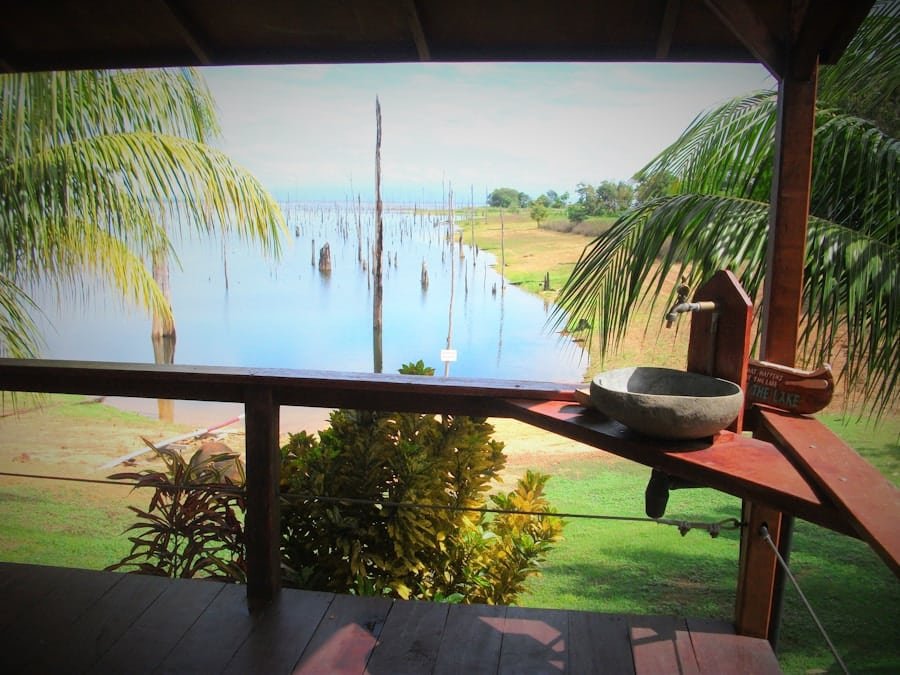
Screen enclosures serve a more specific function compared to lanais, primarily focusing on providing protection from insects and debris while allowing for ventilation. If you live in an area where mosquitoes and other pests are prevalent, a screen enclosure can be a game-changer for your outdoor enjoyment. By creating a barrier between you and the outside world, these enclosures allow you to relish the fresh air without the annoyance of bugs buzzing around.
This makes them particularly popular in regions with warm climates where outdoor living is a year-round activity. Moreover, screen enclosures can also help keep your outdoor space cleaner by preventing leaves, dirt, and other debris from entering the area. This means less time spent cleaning and maintaining your patio or deck, allowing you to focus on enjoying your outdoor oasis instead.
Additionally, many homeowners appreciate the unobstructed views that screen enclosures provide. The mesh screens allow you to enjoy the sights and sounds of nature while still being protected from unwanted intrusions. In essence, screen enclosures are designed to enhance your outdoor experience by combining comfort with practicality.
Design and Construction of Lanais
When it comes to designing and constructing a lanai, there are several factors to consider that will influence its overall look and functionality. First and foremost, you’ll want to determine the size and layout that best suits your needs. Consider how you plan to use the space—will it be primarily for entertaining guests or serving as a quiet retreat?
This will help you decide on dimensions and features such as seating arrangements and dining areas. Additionally, think about how the lanai will integrate with your existing home and landscape; a well-designed lanai should complement your property’s architecture while enhancing its aesthetic appeal. Materials play a crucial role in the construction of a lanai as well.
Common choices include wood, aluminum, or vinyl, each offering its own set of advantages and disadvantages. Wood provides a warm, natural look but may require more maintenance over time due to weather exposure. Aluminum is lightweight and durable but may not offer the same aesthetic charm as wood.
Vinyl is low-maintenance and resistant to rot but may lack the elegance of other materials. Ultimately, your choice will depend on your budget, desired appearance, and maintenance preferences. By carefully considering these elements during the design phase, you can create a lanai that not only meets your functional needs but also enhances your outdoor living experience.
Design and Construction of Screen Enclosures
Designing a screen enclosure involves different considerations than those associated with constructing a lanai. The primary focus here is functionality—ensuring that the enclosure effectively keeps out pests while allowing for adequate airflow and visibility. When planning your screen enclosure, think about its size in relation to your existing patio or deck.
You’ll want to ensure that it provides enough space for furniture and movement while still feeling open and inviting. The construction materials for screen enclosures typically include aluminum frames combined with durable mesh screens designed to withstand the elements. The choice of mesh is particularly important; some screens offer varying levels of visibility and protection against insects.
For instance, finer mesh may keep out smaller bugs but could reduce airflow slightly compared to coarser options. Additionally, consider incorporating features such as doors or windows that can be opened or closed as needed for added convenience. By focusing on these design elements, you can create a screen enclosure that not only serves its primary purpose but also enhances your overall outdoor experience.
Benefits and Drawbacks of Lanais
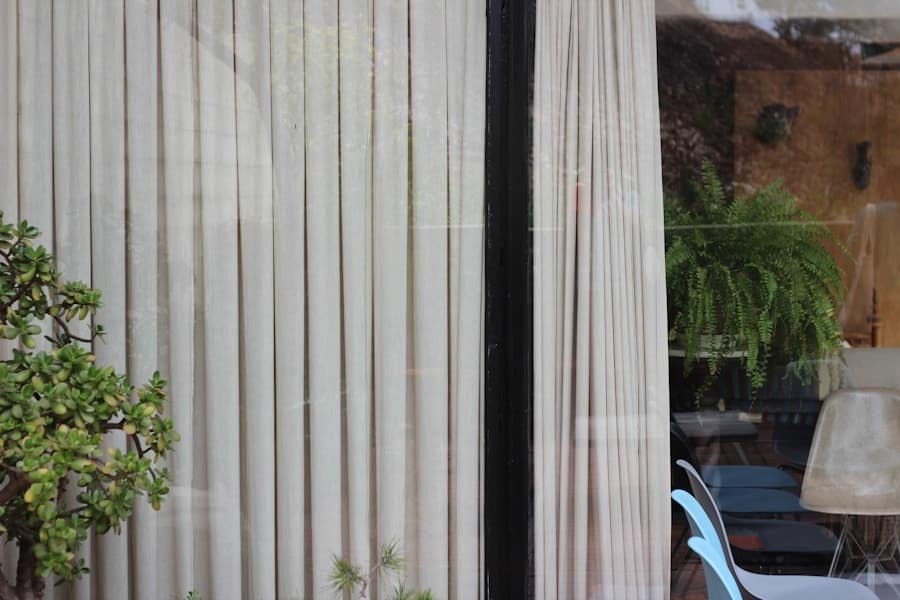
Lanais come with numerous benefits that make them an attractive addition to any home. One of the most significant advantages is their ability to provide shelter from harsh weather conditions while still allowing you to enjoy the outdoors. Whether it’s shielding you from intense sunlight or protecting you from unexpected rain showers, a lanai creates a comfortable environment for relaxation and entertainment throughout the year.
Additionally, lanais can be customized in various ways—adding ceiling fans for ventilation or incorporating decorative elements like lighting fixtures can enhance both functionality and aesthetics. However, there are also drawbacks to consider when it comes to lanais. One potential downside is the cost; constructing a lanai can be more expensive than other outdoor structures due to the materials used and the complexity of design.
Furthermore, depending on local building codes and regulations, obtaining permits may add time and expense to your project. Additionally, while lanais provide shelter from some elements, they may not offer complete protection against pests unless additional screening is incorporated into the design. Weighing these pros and cons will help you determine if a lanai aligns with your lifestyle and budget.
Benefits and Drawbacks of Screen Enclosures
Screen enclosures offer their own set of benefits that make them appealing for many homeowners. One of the most significant advantages is their effectiveness in keeping insects at bay while still allowing fresh air to circulate freely. This means you can enjoy outdoor activities without constantly swatting away bugs or worrying about bites.
Additionally, screen enclosures are often more affordable than lanais since they require fewer materials and less complex construction processes. On the flip side, screen enclosures do have some drawbacks worth considering. While they provide excellent protection from pests, they do not offer much in terms of shelter from rain or extreme weather conditions unless they are designed with additional roofing elements.
This limitation may restrict your ability to use the space during inclement weather or limit how you furnish it for comfort. Furthermore, some homeowners may find that screen enclosures lack the aesthetic appeal of lanais; while functional, they may not provide the same level of elegance or charm that comes with a well-designed lanai.
Choosing Between a Lanai and a Screen Enclosure
Deciding between a lanai and a screen enclosure ultimately comes down to your personal preferences and lifestyle needs. If you envision an elegant outdoor space where you can entertain guests or unwind in comfort year-round, a lanai may be the ideal choice for you. Its versatility allows for various uses—from hosting dinner parties to enjoying quiet evenings under the stars—making it an attractive investment for enhancing your home’s value.
Conversely, if your primary concern is keeping pests at bay while enjoying fresh air without breaking the bank, then a screen enclosure might be more suitable for your needs. It offers practical benefits without requiring extensive construction or high costs associated with more elaborate structures like lanais. Ultimately, take time to assess how you plan to use your outdoor space and what features are most important to you before making your decision.
By carefully weighing these factors against each option’s benefits and drawbacks, you’ll be well-equipped to choose the right structure that aligns with your vision for outdoor living.
FAQs
What is a Lanai?
A lanai is a type of outdoor living space that is commonly found in Hawaii and other tropical regions. It is typically a covered patio or veranda that is used for dining, entertaining, or relaxing.
What is a Screen Enclosure?
A screen enclosure is a structure that is built around a patio, pool, or outdoor living space to provide protection from insects and other pests. It is typically made of aluminum or other durable materials and is covered with a fine mesh screen.
What are the main differences between a Lanai and a Screen Enclosure?
The main difference between a lanai and a screen enclosure is their purpose and construction. A lanai is primarily a covered outdoor living space, while a screen enclosure is designed to provide protection from insects and pests. Additionally, a lanai is often open to the elements, while a screen enclosure provides a more enclosed and protected environment.