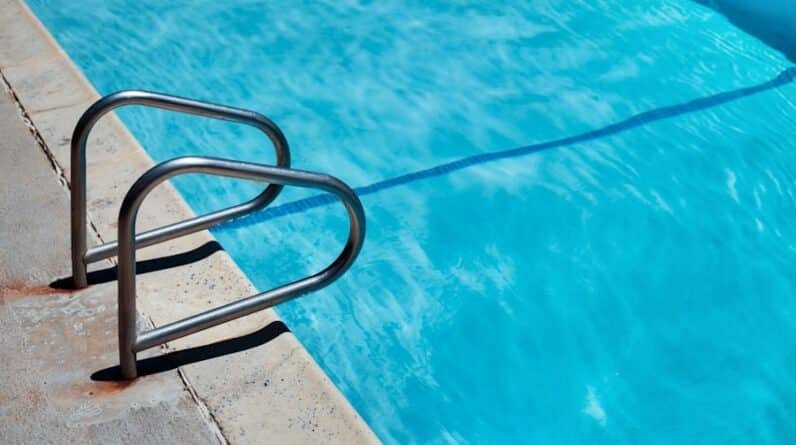
When it comes to maintaining a safe and enjoyable swimming environment, understanding free chlorine levels is paramount. Free chlorine refers to the amount of chlorine in your pool water that is available to sanitize and kill harmful bacteria and algae. It is essential for ensuring that your pool remains clean and safe for swimmers.
The ideal range for free chlorine levels typically falls between 1 to 3 parts per million (ppm). If the levels drop below this range, you risk exposing yourself and others to potential health hazards, while levels above this range can lead to skin irritation and unpleasant odors. You might wonder why free chlorine is so crucial.
Chlorine works by breaking down organic matter and neutralizing pathogens, which helps keep your pool water clear and safe. However, it’s important to note that not all chlorine is created equal. Combined chlorine, which forms when free chlorine reacts with contaminants, is less effective at sanitizing and can lead to issues like chloramines, which cause eye irritation and a strong chemical smell.
By regularly monitoring and maintaining appropriate free chlorine levels, you can ensure a healthier swimming experience for everyone.
Key Takeaways
- Free chlorine levels should be maintained between 1-3 ppm to ensure effective sanitization of the pool water.
- Regular testing of free chlorine levels using a test kit is essential to ensure the water is safe for swimming.
- pH levels should be maintained between 7.2-7.6 to prevent skin and eye irritation and to ensure the effectiveness of chlorine.
- Shocking the pool with a high dose of chlorine is necessary to kill bacteria, algae, and other contaminants.
- Chlorine tablets or granules can be used to maintain free chlorine levels and keep the water sanitized.
- Proper water circulation is important to distribute chlorine evenly and prevent the formation of algae and bacteria.
- Regular cleaning and removal of debris from the pool is crucial to maintain water quality and prevent clogging of filters.
- Seeking professional help for pool maintenance and water testing can ensure the safety and cleanliness of the pool.
Testing Free Chlorine Levels
To effectively manage your pool’s sanitation, you need to regularly test the free chlorine levels. This process is straightforward and can be done using various methods, including test strips, liquid test kits, or digital testers. Test strips are convenient and provide quick results; simply dip the strip into the water and compare the color against the provided chart.
Liquid test kits, while slightly more involved, often yield more accurate results and allow you to measure other important parameters like pH and alkalinity simultaneously. When testing your pool water, it’s best to do so at least once a week during the swimming season. However, if your pool experiences heavy usage or after significant rainfall, you may want to test more frequently.
By keeping a log of your test results, you can track trends over time and make informed decisions about necessary adjustments. Remember that factors such as sunlight exposure, temperature, and bather load can all influence free chlorine levels, so staying vigilant is key to maintaining a balanced pool environment.
Adjusting pH Levels
While free chlorine is essential for sanitation, pH levels play a critical role in how effectively chlorine works. The pH scale ranges from 0 to 14, with 7 being neutral. For pool water, the ideal pH range is between 7.2 and 7.8.
If the pH level falls below this range, the water becomes acidic, which can lead to skin irritation and corrosion of pool equipment. Conversely, if the pH rises above 7.8, it can cause chlorine to become less effective at sanitizing the water. To adjust pH levels, you can use pH increasers or decreasers available at pool supply stores.
If your pH is too low, adding sodium carbonate (soda ash) will help raise it. On the other hand, if your pH is too high, you can use sodium bisulfate or muriatic acid to bring it down. It’s important to make adjustments gradually and retest the water after each addition to avoid overshooting your target range.
By maintaining balanced pH levels, you not only enhance the effectiveness of your chlorine but also create a more comfortable swimming experience.
Shocking the Pool
Shocking your pool is an essential maintenance task that involves adding a large dose of chlorine or other chemical oxidizers to eliminate contaminants and restore water clarity. This process is particularly important after heavy usage or following rainstorms when organic debris may have entered the water. Shocking helps break down combined chlorine and other impurities that regular chlorination may not fully address.
You should aim to shock your pool at least once a month or more frequently if you notice cloudy water or an increase in algae growth. There are different types of shock treatments available, including calcium hypochlorite and sodium dichlor. When shocking your pool, it’s crucial to follow the manufacturer’s instructions carefully and ensure that no swimmers enter the water for at least 24 hours afterward.
This allows the chemicals to work effectively while ensuring safety for everyone involved.
Using Chlorine Tablets or Granules
Chlorine tablets and granules are popular options for maintaining free chlorine levels in your pool. Tablets are often favored for their convenience; they dissolve slowly over time, providing a steady release of chlorine into the water. You can place them in a floating dispenser or a skimmer basket for consistent distribution.
Granules, on the other hand, offer flexibility as they can be added directly to the water or used for shocking purposes. When using either form of chlorine, it’s essential to choose products specifically designed for swimming pools. Household bleach or other forms of chlorine may contain additives that can harm your pool equipment or affect water quality.
Additionally, always store chlorine products in a cool, dry place away from direct sunlight to maintain their effectiveness. By incorporating chlorine tablets or granules into your regular maintenance routine, you can ensure that your pool remains sanitized and inviting throughout the swimming season.
Maintaining Proper Water Circulation
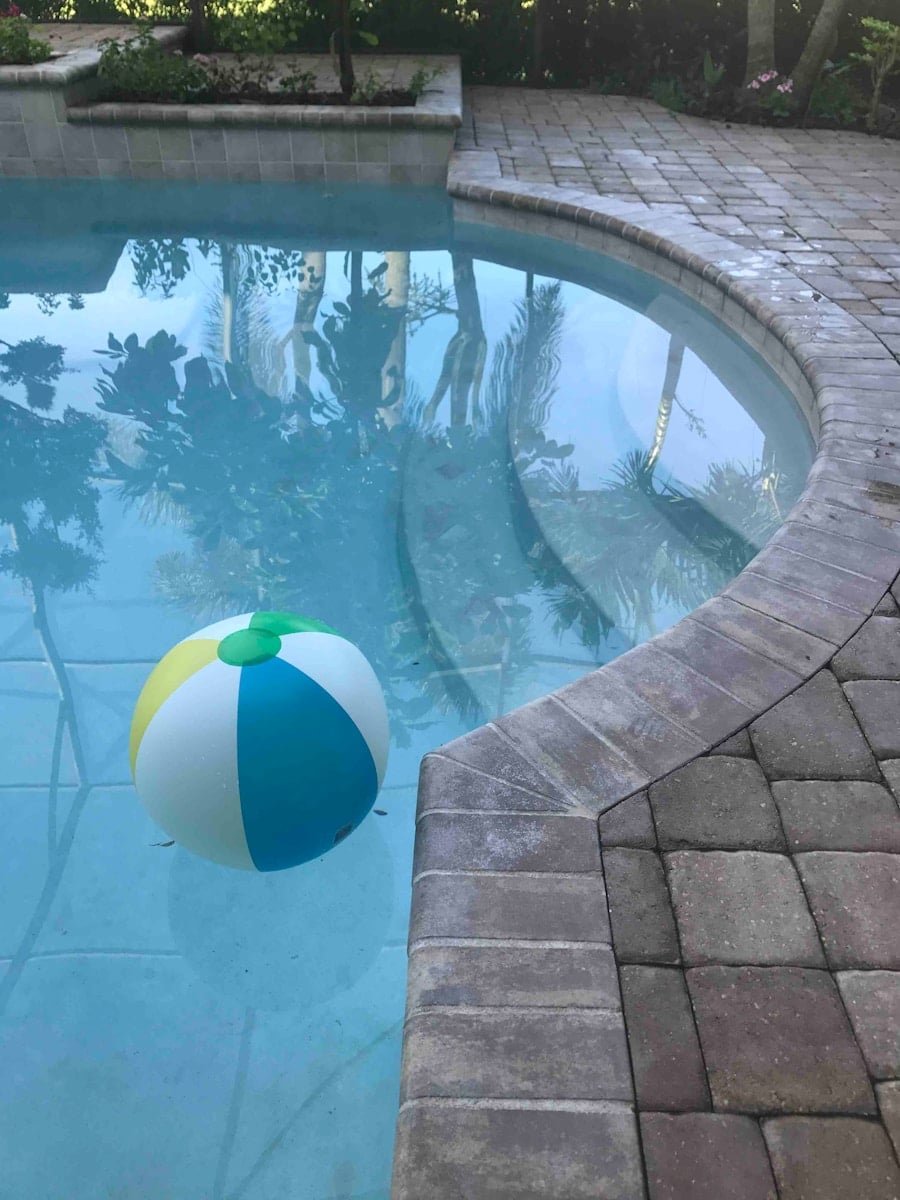
Proper water circulation is vital for maintaining a clean and healthy pool environment. A well-functioning circulation system helps distribute chemicals evenly throughout the water while preventing stagnation that can lead to algae growth and cloudy water. Your pool’s pump and filter work together to circulate water effectively; therefore, it’s essential to ensure they are in good working condition.
You should run your pool pump for at least eight hours a day during peak swimming season to ensure adequate circulation. If your pool experiences heavy usage or if you notice any issues with water clarity, consider increasing this duration. Regularly cleaning or replacing your filter will also enhance circulation efficiency by allowing water to flow freely through the system.
By prioritizing proper water circulation, you create an environment where free chlorine can work effectively against contaminants.
Keeping Pool Clean and Debris-Free
A clean pool not only looks inviting but also contributes significantly to maintaining proper free chlorine levels. Leaves, dirt, and other debris can introduce organic matter into the water, which consumes chlorine as it breaks down. Regularly skimming the surface of your pool with a net will help remove floating debris before it sinks and becomes more challenging to manage.
In addition to skimming, you should also vacuum the pool floor regularly and brush the walls to prevent algae buildup. Investing in a robotic or automatic pool cleaner can save you time and effort while ensuring thorough cleaning. Furthermore, consider using a pool cover when the pool is not in use; this will help keep debris out and reduce the frequency of cleaning required.
By keeping your pool clean and debris-free, you support the effectiveness of your free chlorine levels while enhancing the overall swimming experience.
Seeking Professional Help
While many aspects of pool maintenance can be managed independently, there may come a time when seeking professional help becomes necessary. If you find yourself struggling with persistent water quality issues despite following best practices or if you’re unsure about how to address specific problems, don’t hesitate to reach out to a local pool service company. Professionals have access to advanced testing equipment and expertise that can help diagnose underlying issues that may not be apparent.
Additionally, if you’re considering opening or closing your pool for the season but feel overwhelmed by the process, hiring professionals can save you time and ensure everything is done correctly. They can provide valuable insights into long-term maintenance strategies tailored to your specific pool type and usage patterns. By enlisting professional help when needed, you can enjoy peace of mind knowing that your pool is in capable hands while you focus on enjoying those sunny days by the water.
In conclusion, maintaining proper free chlorine levels in your pool requires a multifaceted approach that includes regular testing, adjusting pH levels, shocking the pool as needed, using appropriate chlorine products, ensuring proper circulation, keeping the pool clean, and knowing when to seek professional assistance. By staying proactive in your maintenance efforts, you can create a safe and enjoyable swimming environment for yourself and others throughout the season.
FAQs
What is free chlorine in a pool?
Free chlorine in a pool refers to the amount of chlorine available to sanitize the water and kill bacteria and algae. It is important for maintaining clean and safe swimming conditions.
Why is it important to maintain proper levels of free chlorine in a pool?
Proper levels of free chlorine in a pool are important for killing harmful bacteria and preventing the growth of algae. This helps to maintain clean and safe swimming conditions for pool users.
How can I increase free chlorine in my pool?
You can increase free chlorine in your pool by adding chlorine-based pool shock or liquid chlorine. It is important to follow the manufacturer’s instructions and test the water regularly to ensure the proper levels are maintained.
What are the recommended levels of free chlorine in a pool?
The recommended levels of free chlorine in a pool are typically between 1.0 and 3.0 parts per million (ppm) for residential pools, and between 3.0 and 5.0 ppm for commercial pools. It is important to test the water regularly and adjust the chlorine levels as needed.
What factors can affect the free chlorine levels in a pool?
Factors that can affect the free chlorine levels in a pool include sunlight, temperature, bather load, and the presence of organic contaminants such as leaves and debris. It is important to monitor these factors and adjust the chlorine levels accordingly.