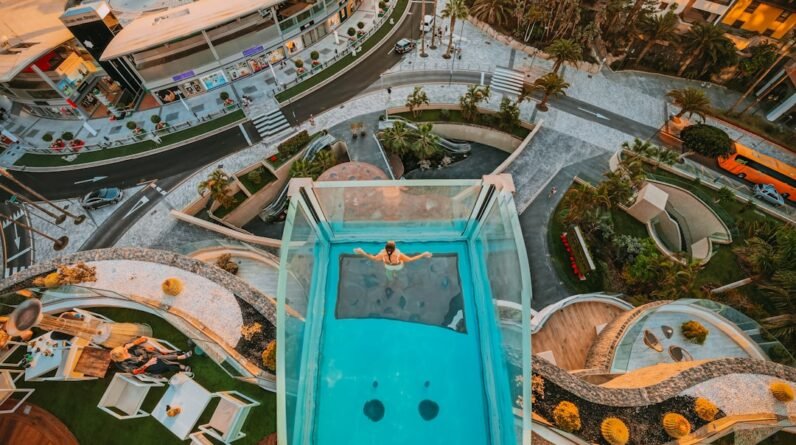
When you think about a pool enclosure, you might picture a simple structure designed to keep debris out of your swimming area. However, the purpose of pool enclosures extends far beyond that initial impression. Primarily, these enclosures serve to enhance safety, particularly for families with children or pets.
By creating a barrier between the pool and the outside world, you can significantly reduce the risk of accidental drownings. This added layer of protection allows you to enjoy your pool with peace of mind, knowing that your loved ones are safe. Moreover, pool enclosures also play a crucial role in extending your swimming season.
By shielding your pool from the elements, these structures help maintain a more stable water temperature, allowing you to swim comfortably even when the weather turns cooler. This means that you can enjoy your pool for a longer period each year, maximizing your investment and providing more opportunities for relaxation and recreation. In essence, pool enclosures serve multiple purposes that enhance both safety and enjoyment.
Key Takeaways
- Pool enclosures are designed to provide safety, security, and protection from the elements for swimming pools.
- Pool enclosures work by creating a barrier around the pool area, trapping heat and preventing heat loss.
- Factors affecting pool temperature include sunlight exposure, wind, and ambient air temperature.
- Pool enclosures play a crucial role in maintaining warmth by reducing heat loss and increasing the overall temperature of the pool area.
- There are different types of pool enclosures, including retractable, fixed, and telescopic, each with its own benefits and drawbacks.
How Pool Enclosures Work
Understanding how pool enclosures work can help you appreciate their value even more. At their core, these structures are designed to create a controlled environment around your pool. They typically consist of a framework made from durable materials like aluminum or vinyl, covered with screens or glass panels.
This design allows sunlight to enter while keeping out unwanted pests and debris. The result is a clean and inviting swimming area that is less prone to contamination from leaves, insects, and other outdoor elements. In addition to keeping debris at bay, pool enclosures also help regulate temperature.
The enclosed space traps heat from the sun during the day, which can warm the water in your pool. This natural heating effect is particularly beneficial during cooler months when you want to maintain a comfortable swimming temperature. Furthermore, the enclosure acts as a windbreak, reducing evaporation and heat loss during breezy days or chilly nights.
By creating this microclimate, pool enclosures effectively enhance your swimming experience.
Factors Affecting Pool Temperature
Several factors influence the temperature of your pool water, and understanding these can help you make informed decisions about maintaining warmth. One of the most significant factors is the amount of sunlight your pool receives throughout the day. Pools that are exposed to direct sunlight for longer periods tend to warm up more quickly than those that are shaded by trees or buildings.
Therefore, if you want to maximize warmth, consider the positioning of your pool in relation to the sun. Another critical factor is the ambient air temperature. On cooler days, the water in your pool can lose heat rapidly due to evaporation and wind chill.
This is where a pool enclosure becomes invaluable. By providing a barrier against wind and reducing evaporation rates, an enclosure can help maintain a more consistent water temperature even when outdoor conditions are less than ideal. Additionally, factors such as humidity levels and the presence of heating systems can also play a role in determining how warm your pool remains.
The Role of Pool Enclosures in Maintaining Warmth
Pool enclosures are instrumental in maintaining warmth for several reasons. First and foremost, they create a greenhouse effect that traps heat within the enclosed space. When sunlight enters through the panels or screens, it warms both the air inside the enclosure and the water in your pool.
This effect can lead to significantly higher water temperatures compared to an unprotected pool, especially during cooler months. Moreover, by minimizing wind exposure, pool enclosures help reduce heat loss through evaporation. On windy days, water can evaporate quickly, leading to a drop in temperature that can make swimming uncomfortable.
With an enclosure in place, you can enjoy a more stable and pleasant swimming environment regardless of external weather conditions. This ability to maintain warmth not only enhances your comfort but also encourages more frequent use of your pool throughout the year.
Types of Pool Enclosures
When it comes to choosing a pool enclosure, you have several options to consider, each with its unique features and benefits. One popular type is the screen enclosure, which provides excellent protection against insects while allowing for maximum airflow and visibility. These enclosures are typically made from aluminum frames with mesh screens that keep out pests without obstructing your view of the surrounding landscape.
Another option is a glass enclosure, which offers a more elegant and modern aesthetic. Glass enclosures provide unobstructed views while effectively trapping heat and protecting against the elements. They can be designed as retractable or fixed structures, allowing for flexibility based on your preferences and climate conditions.
Additionally, there are also dome-shaped enclosures that provide ample headroom and can be customized to fit various pool shapes and sizes. Each type of enclosure has its advantages, so it’s essential to consider your specific needs and preferences when making a choice.
Benefits of Using Pool Enclosures
The benefits of using pool enclosures extend beyond just warmth and safety; they also include convenience and aesthetic appeal. One significant advantage is the reduction in maintenance time and costs. With an enclosure in place, you’ll find that leaves, dirt, and debris are less likely to enter your pool, meaning you’ll spend less time cleaning and more time enjoying your swimming experience.
This convenience can be especially valuable during peak swimming season when you want to maximize your leisure time. Additionally, pool enclosures can enhance the overall look of your outdoor space. With various designs available—from sleek modern glass structures to charming screen enclosures—you can choose an option that complements your home’s architecture and landscaping.
This aesthetic enhancement not only adds value to your property but also creates an inviting atmosphere for gatherings with family and friends.
Cost Considerations
While investing in a pool enclosure offers numerous benefits, it’s essential to consider the associated costs before making a decision. The price of a pool enclosure can vary widely based on factors such as size, materials used, and design complexity. For instance, screen enclosures tend to be more budget-friendly compared to glass enclosures due to their simpler construction and materials.
It’s also important to factor in installation costs when budgeting for a pool enclosure. Professional installation may be necessary for certain types of enclosures, particularly those made from glass or custom designs that require precise measurements and fittings. While this initial investment may seem significant, many homeowners find that the long-term benefits—such as reduced maintenance costs and extended swimming seasons—justify the expense.
Maintenance and Care of Pool Enclosures
To ensure that your pool enclosure remains functional and visually appealing over time, regular maintenance is essential. For screen enclosures, routine cleaning is necessary to prevent dirt buildup on the screens and frames. A gentle wash with soap and water can help keep them looking fresh while also ensuring that they continue to provide adequate protection against pests.
For glass enclosures, it’s crucial to use appropriate cleaning solutions that won’t damage the glass surface. Regularly inspecting seals and frames for wear or damage is also important; addressing any issues promptly can prevent more significant problems down the line. By dedicating some time to maintenance, you can extend the lifespan of your pool enclosure while ensuring it continues to serve its purpose effectively.
Other Ways to Keep Your Pool Warm
In addition to using a pool enclosure, there are several other methods you can employ to keep your pool warm throughout the year. One popular option is investing in a solar cover or blanket. These covers trap heat from the sun during the day and reduce heat loss at night by providing insulation over the water’s surface.
Another effective method is installing a pool heater or heat pump. These systems allow you to control the water temperature precisely, ensuring that it remains comfortable regardless of external conditions. While these options may require additional investment upfront, they can significantly enhance your swimming experience by providing consistent warmth.
Climate Considerations
Your local climate plays a significant role in determining how effective a pool enclosure will be in maintaining warmth. In warmer regions with plenty of sunshine, an enclosure can help trap heat effectively while providing shade during peak sun hours. Conversely, in cooler climates where temperatures drop significantly at night or during winter months, an enclosure becomes even more critical for retaining warmth.
Understanding seasonal variations in temperature and weather patterns will help you choose the right type of enclosure for your needs. For example, if you live in an area with harsh winters, investing in a sturdy glass enclosure may be worthwhile for maximum insulation against cold temperatures.
The Effectiveness of Pool Enclosures in Keeping Pools Warm
In conclusion, pool enclosures offer an array of benefits that go beyond mere aesthetics or safety features; they play a vital role in maintaining warmth for your swimming area throughout the year. By creating a controlled environment that traps heat while minimizing exposure to wind and debris, these structures enhance both comfort and usability. Whether you opt for a screen or glass enclosure, understanding their functionality will help you appreciate their value even more.
With proper maintenance and care, a well-chosen pool enclosure can transform your outdoor space into an inviting oasis where you can enjoy swimming regardless of external weather conditions. Ultimately, investing in a pool enclosure is not just about keeping your pool clean; it’s about creating an enjoyable experience that allows you to make the most of your investment year-round.
FAQs
What is a pool enclosure?
A pool enclosure is a structure built around a swimming pool to provide protection from the elements, such as wind, rain, and debris. It can be made of various materials, such as glass, polycarbonate, or aluminum.
Do pool enclosures keep pools warm?
Yes, pool enclosures can help keep pools warm by trapping heat from the sun and preventing heat loss due to wind and evaporation. This can result in higher water temperatures and a longer swimming season.
How do pool enclosures keep pools warm?
Pool enclosures act as a greenhouse, allowing sunlight to enter and heat the air and water inside. The enclosed space also reduces heat loss by blocking wind and preventing evaporation, which helps maintain higher water temperatures.
What are the benefits of using a pool enclosure to keep a pool warm?
Some benefits of using a pool enclosure to keep a pool warm include extending the swimming season, reducing heating costs, and providing a more comfortable swimming environment by protecting against wind and debris.
Are there different types of pool enclosures that are more effective at keeping pools warm?
Yes, there are different types of pool enclosures, such as low-profile enclosures, high-profile enclosures, and retractable enclosures. Each type may have varying levels of effectiveness in retaining heat, depending on factors such as design, materials, and insulation.