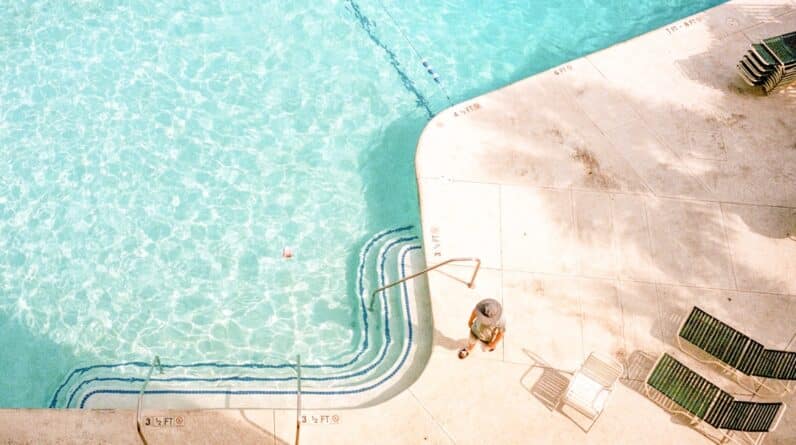
When you think about maintaining a swimming pool, the first thing that might come to mind is the water’s clarity and cleanliness. However, the chemistry of that water plays a crucial role in ensuring a safe and enjoyable swimming experience. Understanding pool chemistry means grasping the balance of various chemicals that keep your pool water safe, clear, and inviting.
The primary components of pool chemistry include pH levels, alkalinity, chlorine, and calcium hardness. Each of these elements interacts with one another, and maintaining the right balance is essential for preventing issues such as algae growth, cloudy water, and skin irritation. You may find that pH levels are particularly important; they measure how acidic or basic your pool water is.
Ideally, you want your pH to be between 7.2 and 7.8. If the pH is too low, it can lead to corrosion of pool equipment and surfaces, while a high pH can cause scaling and reduce the effectiveness of chlorine. Alkalinity acts as a buffer for pH levels, helping to stabilize them.
Keeping your alkalinity between 80 and 120 parts per million (ppm) will help you maintain a balanced pool environment. By understanding these fundamental aspects of pool chemistry, you can take proactive steps to ensure your pool remains a safe haven for relaxation and fun.
Key Takeaways
- Understanding pool chemistry is crucial for maintaining a safe and clean swimming environment.
- Regular maintenance tasks such as skimming, vacuuming, and brushing help keep the pool in top condition.
- Proper filtration is essential for removing debris and contaminants from the water.
- Testing and balancing chemical levels is necessary to prevent algae growth and maintain water clarity.
- Addressing algae and bacteria promptly is important to prevent health hazards and water quality issues.
Regular Maintenance Tasks
Skimming the Surface
One of the most essential tasks is skimming the surface of the water to remove leaves, insects, and other debris. This simple act not only keeps your pool looking pristine but also prevents organic matter from sinking to the bottom and contributing to algae growth. You should aim to skim your pool daily or at least several times a week, especially during peak seasons when debris is more prevalent.
Vacuuming the Pool Floor
In addition to skimming, vacuuming the pool floor is another critical maintenance task. Over time, dirt and debris can settle at the bottom of your pool, creating an unsightly mess and potentially leading to water quality issues. Depending on your pool type, you may choose between manual or automatic vacuums.
Brushing the Walls and Tiles
Regularly brushing the walls and tiles of your pool is also essential to prevent algae buildup and maintain a clean appearance. By incorporating these tasks into your weekly routine, you can ensure that your pool remains inviting and enjoyable for everyone.
Importance of Proper Filtration
The filtration system in your pool is one of its most vital components. It works tirelessly to remove impurities from the water, ensuring that it remains clean and safe for swimming. You may not realize it, but a well-functioning filtration system can significantly reduce the amount of chemicals needed to maintain water quality.
By circulating water through the filter, you help eliminate dirt, debris, and contaminants that can lead to cloudy water or even health hazards. To keep your filtration system operating efficiently, regular maintenance is key. This includes cleaning or replacing filter cartridges as needed and ensuring that the pump is functioning correctly.
You should also check for any clogs in the system that could impede water flow. A good rule of thumb is to run your filtration system for at least eight hours a day during peak swimming season. By prioritizing proper filtration, you not only enhance the clarity of your pool water but also contribute to a healthier swimming environment.
Testing and Balancing Chemical Levels
Testing and balancing chemical levels in your pool is an ongoing process that requires diligence and attention to detail. You may want to invest in a reliable test kit or strips to monitor key chemical levels regularly. This includes checking pH, chlorine, alkalinity, and calcium hardness at least once a week during peak swimming season.
By keeping an eye on these levels, you can make necessary adjustments before problems arise. Balancing chemical levels involves adding specific chemicals to achieve optimal readings. For instance, if your pH is too low, you might need to add a pH increaser; conversely, if it’s too high, a pH decreaser will be necessary.
Maintaining proper chlorine levels is equally important for sanitizing the water and preventing harmful bacteria from thriving. Ideally, chlorine levels should be between 1-3 ppm for effective disinfection. By regularly testing and balancing these chemical levels, you can ensure that your pool remains safe and enjoyable for all swimmers.
Addressing Algae and Bacteria
Algae and bacteria are two of the most common challenges pool owners face. If left unchecked, they can quickly turn your sparkling oasis into a murky nightmare. You may notice signs of algae growth as green or cloudy patches on the walls or floor of your pool.
To combat this issue effectively, it’s essential to act quickly by shocking the pool with a high dose of chlorine or algaecide specifically designed for this purpose. Preventing algae growth starts with maintaining proper chemical balance and ensuring adequate circulation through your filtration system. Regular brushing of pool surfaces can also help dislodge any algae spores before they take hold.
Additionally, keeping an eye on water temperature can be beneficial; warmer water tends to promote algae growth, so consider using a pool cover during hot months to minimize exposure to sunlight. By being proactive in addressing algae and bacteria issues, you can maintain a clean and inviting swimming environment.
Cleaning and Skimming Techniques
Cleaning and skimming techniques are essential skills every pool owner should master to keep their pool in pristine condition. Skimming involves using a net attached to a long pole to remove debris from the surface of the water. This task is best performed daily or every few days, especially during seasons when leaves and pollen are prevalent.
You may find it helpful to create a routine where you skim before or after each swim session to ensure that your pool remains inviting. In addition to skimming, brushing the walls and floor of your pool is crucial for preventing algae buildup and maintaining overall cleanliness. Use a brush specifically designed for your pool’s surface type—whether it’s vinyl, fiberglass, or plaster—to avoid damage while effectively removing dirt and grime.
Vacuuming should also be part of your cleaning regimen; whether you opt for a manual vacuum or an automatic cleaner, this task helps eliminate debris that settles at the bottom of the pool. By mastering these cleaning techniques, you’ll ensure that your pool remains a beautiful oasis for relaxation and enjoyment.
Winterizing Your Pool
As summer fades into fall, winterizing your pool becomes an essential task for protecting your investment during colder months. You may find that taking the time to properly winterize can save you significant effort when spring arrives. The first step in this process involves thoroughly cleaning your pool by skimming, vacuuming, and brushing all surfaces to remove any debris that could lead to staining or algae growth over winter.
Next, you’ll want to lower the water level below the skimmer to prevent freezing damage during cold weather. Adding winterizing chemicals can help maintain water quality while the pool is closed; these typically include algaecides and chlorine shock treatments designed specifically for winter use. Finally, covering your pool with a high-quality winter cover will protect it from debris accumulation and harsh weather conditions.
By following these steps diligently, you can ensure that your pool remains in excellent condition when it’s time to reopen it in spring.
Troubleshooting Common Issues
Even with diligent maintenance, you may encounter common issues with your pool from time to time. One frequent problem is cloudy water, which can result from various factors such as improper chemical balance or inadequate filtration. If you notice cloudiness in your pool water, start by testing chemical levels to identify any imbalances that need addressing.
Adjusting pH or chlorine levels may resolve the issue quickly. Another common concern is persistent algae growth despite regular cleaning efforts. If you find yourself battling algae frequently, consider evaluating your filtration system’s efficiency or increasing circulation time during peak swimming season.
Additionally, ensure that you’re using appropriate algaecides as part of your maintenance routine. By troubleshooting these common issues promptly and effectively, you can maintain a beautiful swimming environment year-round.
Upgrading and Enhancing Your Pool
As a proud pool owner, you might find yourself considering upgrades or enhancements to elevate your swimming experience further. One popular option is installing energy-efficient equipment such as variable-speed pumps or LED lighting systems that not only enhance aesthetics but also reduce energy costs over time. These upgrades can significantly improve both functionality and enjoyment while contributing positively to the environment.
Another enhancement worth considering is adding features like waterfalls or fountains that create a serene atmosphere while providing soothing sounds as water flows gently into your pool. You might also explore options for upgrading your decking or landscaping around the pool area to create an inviting outdoor oasis perfect for entertaining guests or enjoying quiet moments alone. By investing in upgrades and enhancements tailored to your preferences, you can transform your backyard into a personal paradise.
Safety Measures and Guidelines
Safety should always be a top priority when it comes to enjoying your swimming pool. You may want to establish clear guidelines for everyone using the pool area—especially children—to ensure their safety while swimming or playing nearby. Installing barriers such as fences with self-closing gates can help prevent unauthorized access when the pool is not in use.
Additionally, consider implementing rules regarding diving or running near the pool’s edge to minimize accidents or injuries. Providing life-saving equipment such as flotation devices or reaching poles can also enhance safety measures around your swimming area. By prioritizing safety guidelines and measures consistently throughout the swimming season, you create an environment where everyone can enjoy their time in the water with peace of mind.
Hiring Professional Pool Services
While many aspects of pool maintenance can be handled independently, there are times when hiring professional services may be beneficial for you as a pool owner. If you’re feeling overwhelmed by maintenance tasks or lack the time needed for regular upkeep, enlisting professionals can alleviate some stress while ensuring that your pool remains in excellent condition. Professional services often offer comprehensive packages that include regular cleaning, chemical balancing, equipment inspections, and repairs as needed—allowing you more time to enjoy your oasis without worrying about its upkeep constantly.
Additionally, experts have access to specialized tools and knowledge that can help identify potential issues before they become significant problems down the line. By considering professional services as part of your overall maintenance strategy, you can enjoy peace of mind knowing that your investment is well cared for throughout its lifespan. In conclusion, maintaining a swimming pool requires dedication and knowledge about various aspects such as chemistry, cleaning techniques, safety measures, and potential upgrades.
By understanding these elements thoroughly while incorporating regular maintenance tasks into your routine—whether independently or with professional assistance—you’ll create an inviting oasis where friends and family can gather for years to come.
FAQs
What is pool care?
Pool care refers to the regular maintenance and cleaning of a swimming pool to ensure that the water is clean, safe, and properly balanced.
Why is pool care important?
Proper pool care is important for maintaining the health and safety of swimmers, as well as preserving the longevity of the pool equipment and surfaces.
What are the key components of pool care?
Key components of pool care include maintaining proper water chemistry (pH, chlorine levels, alkalinity), regular cleaning of the pool and its filters, and ensuring proper circulation and filtration.
How often should pool care be performed?
Pool care should be performed on a regular basis, with tasks such as skimming, vacuuming, and checking water chemistry levels being done weekly, and more intensive tasks such as backwashing filters and cleaning the pool walls being done monthly.
What are some common pool care mistakes to avoid?
Common pool care mistakes to avoid include neglecting water chemistry, over-chlorinating, not cleaning the pool filters regularly, and not maintaining proper water circulation.
What are some tips for maintaining a pristine pool?
Tips for maintaining a pristine pool include regularly testing and balancing water chemistry, skimming and vacuuming debris, cleaning the pool walls and tiles, and ensuring proper circulation and filtration. Regular maintenance and attention to detail are key.