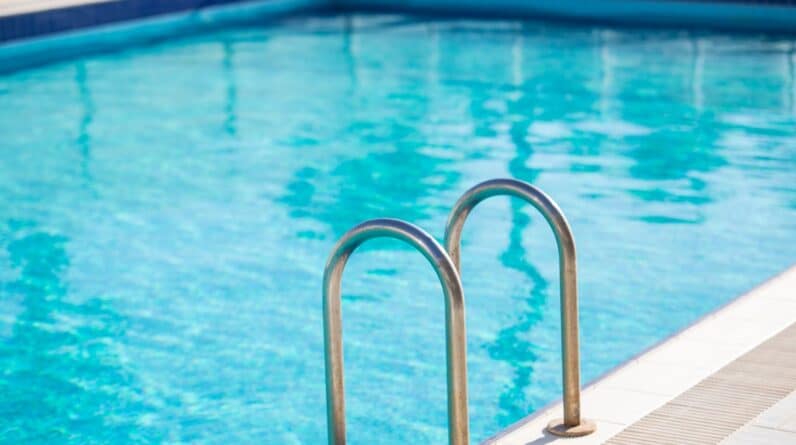
Maintaining crystal clear waters in your pool is not just about aesthetics; it plays a crucial role in ensuring the health and safety of everyone who uses it. When your pool water is clean and clear, it enhances the overall swimming experience, allowing you to enjoy the refreshing feel of a well-kept oasis. Clear water also reflects sunlight beautifully, creating an inviting atmosphere that encourages family and friends to gather and enjoy the space.
Moreover, a well-maintained pool can significantly increase the value of your property, making it an attractive feature for potential buyers. Beyond the visual appeal, clear water is essential for health reasons. Contaminated or murky water can harbor harmful bacteria and pathogens that pose serious health risks.
By keeping your pool water crystal clear, you minimize the chances of skin irritations, infections, and other health issues that can arise from swimming in unclean water. Regular maintenance not only protects your loved ones but also ensures that your pool remains a safe haven for relaxation and recreation.
Key Takeaways
- Maintaining crystal clear pool water is important for the health and safety of swimmers, as well as the overall aesthetic appeal of the pool.
- Factors such as pH levels, chlorine levels, and filtration systems can significantly affect pool water quality.
- Essential tools and equipment for pristine pool cleaning include a pool skimmer, pool brush, vacuum, and water testing kit.
- A step-by-step guide to cleaning and maintaining pool water includes skimming the surface, brushing the walls and floor, vacuuming, and testing and adjusting chemical levels.
- To prevent algae and bacteria growth, it’s important to regularly clean and maintain the pool, keep proper chemical balance, and ensure good water circulation.
Understanding the Factors that Affect Pool Water Quality
To maintain crystal clear waters, it’s vital to understand the various factors that can affect pool water quality. One of the primary elements is the chemical balance of the water, which includes pH levels, alkalinity, and chlorine concentration. If these levels are not properly managed, they can lead to cloudy water, scaling, or even corrosion of pool surfaces and equipment.
Regular testing of these parameters is essential to ensure that your pool remains in optimal condition. Another significant factor is environmental influences. Leaves, dirt, and debris can easily find their way into your pool, especially during windy days or after storms.
Additionally, factors such as sunlight exposure can lead to increased evaporation and changes in chemical composition. Understanding these influences allows you to take proactive measures to maintain your pool’s clarity and hygiene.
Essential Tools and Equipment for Pristine Pool Cleaning
Equipping yourself with the right tools and equipment is fundamental for achieving pristine pool cleaning. A reliable skimmer net is essential for removing leaves and debris from the surface of the water. This simple tool allows you to quickly scoop out unwanted particles before they sink to the bottom or decompose, which can lead to water quality issues.
In addition to a skimmer net, investing in a good-quality pool vacuum is crucial for maintaining cleanliness. Automatic or manual vacuums can help you remove dirt and debris that settle on the pool floor. Furthermore, a brush designed specifically for pool surfaces will aid in scrubbing away algae and grime that may cling to walls and steps.
Together, these tools form the backbone of your pool cleaning arsenal, ensuring that you can keep your waters crystal clear with minimal effort.
Step-by-Step Guide to Cleaning and Maintaining Pool Water
Cleaning and maintaining your pool water involves a systematic approach that ensures no step is overlooked. Start by skimming the surface with your net to remove any floating debris. This initial step prevents contaminants from sinking and complicating your cleaning efforts later on.
Next, use your vacuum to clean the bottom of the pool thoroughly. Pay special attention to corners and steps where dirt tends to accumulate. Once you’ve removed debris, it’s time to focus on chemical balancing.
Test the water using a reliable testing kit to check pH levels, chlorine concentration, and alkalinity. Adjust these levels as necessary by adding appropriate chemicals. After balancing the chemicals, consider running your pool filter for several hours to circulate the treated water effectively.
Finally, don’t forget to brush the walls and tiles to prevent algae buildup and ensure that your pool remains inviting and safe for swimming.
Tips for Preventing Algae and Bacteria Growth
Preventing algae and bacteria growth is essential for maintaining crystal clear waters in your pool. One effective strategy is to ensure proper circulation of water throughout the pool. This can be achieved by running your pump regularly and ensuring that all areas of the pool receive adequate flow.
Stagnant water is a breeding ground for algae, so maintaining movement is key. Additionally, consider using algaecides as a preventive measure. These chemicals can inhibit algae growth before it becomes a problem.
Regularly brushing the walls and floor of your pool also helps disrupt any potential algae colonies before they take hold. Lastly, maintaining proper chemical balance—especially chlorine levels—will create an environment that is hostile to bacteria and algae growth.
The Role of Proper Chemical Balancing in Pool Maintenance
Chemical balancing is one of the most critical aspects of pool maintenance that directly impacts water quality. The pH level should ideally be between 7.2 and 7.8; if it falls outside this range, it can lead to skin irritation or damage to pool surfaces and equipment. Alkalinity acts as a buffer for pH levels, helping to stabilize them; thus, maintaining proper alkalinity is equally important.
Chlorine is another vital component in keeping your pool clean and safe. It acts as a disinfectant, killing harmful bacteria and preventing algae growth. Regularly testing chlorine levels ensures that they remain within the recommended range of 1-3 parts per million (ppm).
By understanding these chemical components and their interactions, you can effectively manage your pool’s water quality and create a safe swimming environment.
How to Address Common Pool Water Issues
Even with diligent maintenance, you may encounter common pool water issues from time to time. Cloudy water is one such problem that can arise due to various factors such as improper chemical balance or inadequate filtration. To address this issue, start by testing your water chemistry; adjusting pH or chlorine levels may resolve the cloudiness.
Additionally, running your filter longer or cleaning it may help improve clarity. Another common issue is algae growth, which can turn your once-inviting pool into a green nightmare. If you notice any signs of algae, act quickly by brushing affected areas and adding an appropriate algaecide.
In severe cases, shocking the pool with a high dose of chlorine may be necessary to eliminate stubborn algae blooms effectively. By being proactive in addressing these issues, you can maintain crystal clear waters year-round.
Eco-Friendly Approaches to Pool Cleaning
As environmental awareness grows, many pool owners are seeking eco-friendly approaches to cleaning their pools without compromising on quality or safety. One effective method is using natural enzymes that break down organic matter in the water without harsh chemicals. These enzymes help maintain water clarity while being gentle on both swimmers and the environment.
Another eco-friendly option is utilizing solar-powered pool cleaners or energy-efficient pumps that reduce electricity consumption while keeping your pool clean. Additionally, consider using biodegradable cleaning products that minimize chemical runoff into surrounding ecosystems. By adopting these sustainable practices, you can enjoy a pristine pool while also being mindful of your environmental impact.
Regular Maintenance Schedule for Optimal Pool Water Quality
Establishing a regular maintenance schedule is essential for achieving optimal pool water quality throughout the swimming season. Aim for weekly maintenance sessions where you perform essential tasks such as skimming debris, vacuuming the bottom, brushing surfaces, and testing chemical levels. This routine will help you stay ahead of potential issues before they escalate.
In addition to weekly tasks, consider monthly deep-cleaning sessions where you focus on more thorough cleaning efforts such as backwashing filters or inspecting equipment for wear and tear. Seasonal maintenance should also be part of your schedule; this includes closing down your pool properly at the end of summer or preparing it for use at the beginning of spring. By adhering to a structured maintenance plan, you’ll ensure that your pool remains inviting and safe all year round.
Hiring Professional Pool Cleaning Services
While many homeowners take pride in maintaining their pools themselves, there are times when hiring professional cleaning services can be beneficial. If you find yourself overwhelmed by maintenance tasks or lack the time needed for regular upkeep, enlisting professionals can relieve some of that burden. They possess specialized knowledge and equipment that can address complex issues more efficiently than DIY methods.
Moreover, professional services often provide comprehensive maintenance packages that include regular cleaning, chemical balancing, and equipment inspections. This not only saves you time but also ensures that your pool remains in top condition throughout its lifespan. By investing in professional services when needed, you can enjoy peace of mind knowing that your crystal clear waters are in expert hands.
Enjoying the Benefits of Crystal Clear Pool Water
The benefits of maintaining crystal clear waters extend far beyond mere aesthetics; they encompass health, safety, and enjoyment as well. A well-maintained pool provides a refreshing escape during hot summer days while serving as a gathering place for family and friends. The joy of diving into sparkling blue waters cannot be overstated; it creates lasting memories filled with laughter and relaxation.
Additionally, clear waters signify a healthy swimming environment free from harmful bacteria or contaminants. This peace of mind allows you to fully enjoy every moment spent in your backyard oasis without worrying about potential health risks. Ultimately, investing time and effort into maintaining crystal clear waters pays off in countless ways—enhancing both your property’s value and your overall quality of life.
FAQs
What are the benefits of keeping a pool clean?
Keeping a pool clean helps to maintain the water’s clarity and prevents the growth of algae and bacteria. It also ensures a safe and enjoyable swimming environment for you and your family.
How often should I clean my pool?
It is recommended to clean your pool at least once a week to remove debris, brush the walls and floor, and check the water chemistry. Additionally, regular maintenance such as skimming the surface and emptying the skimmer basket should be done as needed.
What tools and equipment do I need for pool cleaning?
Basic pool cleaning tools and equipment include a pool skimmer, pool brush, pool vacuum, pool test kit, and pool chemicals such as chlorine and pH balancers. A pool cover and pool filter are also essential for maintaining a clean pool.
How do I maintain the water chemistry in my pool?
Maintaining the water chemistry in your pool involves regularly testing the water for pH, chlorine, alkalinity, and calcium hardness levels. Adjusting these levels as needed will help to keep the water balanced and prevent issues such as cloudy water or algae growth.
What are some tips for keeping a pool clean?
Some tips for keeping a pool clean include skimming the surface daily to remove debris, brushing the walls and floor weekly to prevent algae buildup, and maintaining proper water chemistry. It’s also important to regularly clean the pool filter and ensure proper circulation and filtration.