Algaecide is a chemical agent specifically designed to combat algae growth in various aquatic environments, including swimming pools. As a pool owner, you may find yourself grappling with the persistent problem of algae, which can turn your pristine oasis into a murky, uninviting space. Algaecides work by targeting the cellular structure of algae, disrupting their growth and reproduction processes.
This not only helps in eliminating existing algae but also plays a crucial role in preventing future outbreaks. Understanding the purpose of algaecide is essential for maintaining a clean and safe swimming environment. When you apply algaecide to your pool, you are essentially taking proactive measures to ensure that your water remains clear and inviting.
Algae can thrive in warm, nutrient-rich environments, making pools an ideal breeding ground. By using algaecide, you are not just addressing the symptoms of algae growth; you are tackling the root cause. This chemical treatment can be particularly effective when combined with regular pool maintenance practices, such as proper filtration and sanitation.
Ultimately, understanding algaecide and its purpose empowers you to take control of your pool’s health and aesthetics.
Key Takeaways
- Algaecide is a chemical treatment used to prevent and control algae growth in pools.
- Factors such as sunlight, temperature, pH levels, and lack of proper circulation can affect algae growth in pools.
- Algaecide should be applied on a weekly basis to prevent algae growth and maintain water clarity.
- Cloudy or discolored water, slimy walls, and visible algae growth are signs that your pool needs algaecide treatment.
- When applying algaecide, make sure to follow the manufacturer’s instructions, brush the pool walls, and maintain proper water circulation for effective treatment.
Factors Affecting Algae Growth in Pools
Several factors contribute to the growth of algae in your pool, and being aware of these can help you take preventive measures. One of the primary factors is water chemistry. The balance of pH, alkalinity, and chlorine levels plays a significant role in creating an environment conducive to algae growth.
If your pool’s pH is too high or too low, it can weaken the effectiveness of chlorine, allowing algae to flourish. Regular testing and adjustment of these chemical levels are crucial for keeping algae at bay. Another critical factor is sunlight exposure.
Algae thrive in warm, sunny conditions, so if your pool receives a lot of direct sunlight, it may be more susceptible to algae blooms. Additionally, organic debris such as leaves, dirt, and other contaminants can provide nutrients for algae to grow. If you neglect regular cleaning and maintenance, you may inadvertently create an environment where algae can thrive.
By understanding these factors, you can take proactive steps to minimize the risk of algae growth in your pool.
Recommended Frequency for Algaecide Application
Determining how often to apply algaecide depends on several factors, including your pool’s usage, environmental conditions, and existing water chemistry. Generally speaking, it is advisable to apply algaecide at least once a month during the swimming season. However, if your pool is frequently used or exposed to heavy debris, you may need to increase the frequency of application.
Regularly monitoring your pool’s condition will help you gauge when additional treatments are necessary. In addition to monthly applications, consider using algaecide after heavy rain or storms. Rain can introduce organic matter and nutrients into your pool, creating an ideal environment for algae growth.
By applying algaecide after such events, you can preemptively address any potential issues before they escalate. Ultimately, establishing a routine for algaecide application will help you maintain a clean and inviting swimming environment throughout the season.
Signs That Your Pool Needs Algaecide
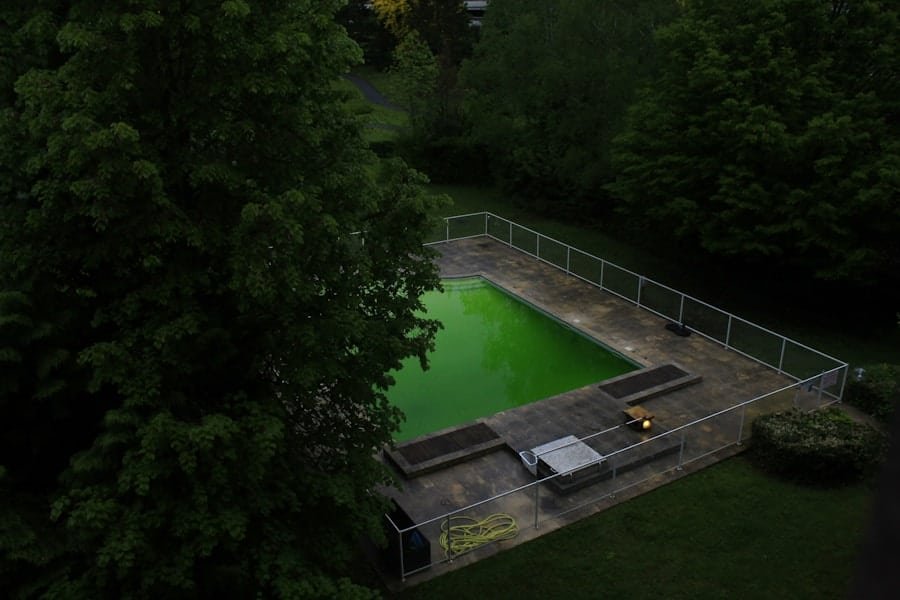
Recognizing the signs that your pool needs algaecide is crucial for maintaining its health and clarity. One of the most obvious indicators is a change in water color. If you notice that your once-clear water has taken on a greenish or cloudy hue, it may be time to take action.
Algae blooms can occur rapidly, so addressing the issue promptly is essential to prevent further complications. Another sign that your pool may require algaecide is the presence of slimy surfaces or visible algae growth on walls and steps. If you find yourself scrubbing away green or brown patches during your routine cleaning, it’s a clear indication that algae are present and multiplying.
Additionally, if you notice an increase in the frequency of filter clogging or a decrease in water circulation, these could also be signs that algae are beginning to take hold in your pool. Being vigilant about these signs will help you maintain a clean and enjoyable swimming environment.
Tips for Effective Algaecide Application
To maximize the effectiveness of algaecide application, there are several tips you should keep in mind. First and foremost, always read and follow the manufacturer’s instructions carefully. Different algaecides have varying concentrations and recommended dosages, so adhering to these guidelines will ensure optimal results.
Additionally, consider applying algaecide during the evening or early morning when sunlight is minimal; this allows the chemical to work more effectively without being broken down by UV rays. Before applying algaecide, it’s essential to ensure that your pool’s water chemistry is balanced. Test the pH and chlorine levels beforehand and make any necessary adjustments.
A well-balanced pool will enhance the efficacy of the algaecide and help prevent future outbreaks. After application, allow the water to circulate for several hours before swimming; this ensures that the algaecide is evenly distributed throughout the pool. By following these tips, you can enhance the effectiveness of your algaecide treatment and maintain a sparkling clean pool.
Potential Risks of Overusing Algaecide
Chemical Imbalance and Its Consequences
While algaecides are effective tools for managing algae growth, overusing them can lead to potential risks that may compromise your pool’s health. One significant concern is chemical imbalance; excessive use of algaecide can disrupt the delicate balance of your pool’s water chemistry. This imbalance can lead to skin irritation for swimmers or even damage to pool equipment over time.
Buildup of Chemical Residues and Unpleasant Odors
Moreover, overapplication can result in a buildup of chemical residues that may cloud your water or create unpleasant odors. In some cases, excessive algaecide use can even lead to more resilient strains of algae developing resistance to treatment.
The Long-Term Consequences of Overuse
This means that instead of solving your algae problem, overusing algaecide could exacerbate it in the long run. Therefore, it’s crucial to use these chemicals judiciously and adhere to recommended application frequencies.
Alternative Methods for Algae Prevention
In addition to using algaecides, there are several alternative methods you can employ to prevent algae growth in your pool. One effective strategy is maintaining proper water circulation and filtration. Ensure that your pool’s pump runs for an adequate amount of time each day—typically around 8-12 hours—to keep water moving and prevent stagnation where algae can thrive.
Regular cleaning is another essential component of algae prevention. Skim debris from the surface daily and brush the walls and floor weekly to remove any potential algae spores before they have a chance to settle in. Additionally, consider using a pool cover when your pool is not in use; this can significantly reduce debris accumulation and limit sunlight exposure—two key factors that contribute to algae growth.
Consulting a Professional for Algaecide Usage
If you’re unsure about how to effectively manage algae in your pool or if you’re facing persistent issues despite following best practices, consulting a professional may be beneficial. Pool maintenance experts have extensive knowledge about water chemistry and can provide tailored advice based on your specific situation. They can conduct thorough water tests and recommend appropriate treatments that align with your pool’s unique needs.
Moreover, professionals can help identify underlying issues that may be contributing to algae growth—such as inadequate filtration or circulation problems—that you might not have noticed on your own. By seeking expert guidance, you can ensure that you’re taking the right steps toward maintaining a clean and healthy swimming environment while avoiding potential pitfalls associated with improper algaecide use. In conclusion, understanding algaecide and its purpose is vital for any pool owner looking to maintain a clean and inviting swimming space.
By recognizing factors affecting algae growth, establishing a routine for application, and being vigilant about signs of trouble, you can effectively manage algae in your pool. Remember that while algaecides are powerful tools in this battle, they should be used judiciously alongside alternative prevention methods and professional advice when necessary. With these strategies in place, you’ll be well on your way to enjoying crystal-clear waters all season long.
FAQs
What is algaecide and what does it do?
Algaecide is a chemical treatment used to prevent and control algae growth in pools. It works by disrupting the algae’s ability to photosynthesize and reproduce, ultimately killing it.
How often should I put algaecide in my pool?
The frequency of algaecide treatment depends on various factors such as the type of algaecide used, the size of the pool, weather conditions, and the presence of algae. In general, algaecide is typically added to the pool every 1-2 weeks as a preventive measure, or more frequently if algae is present.
Can I use too much algaecide in my pool?
Yes, using too much algaecide can lead to over-treatment, which may result in cloudy water, foaming, or other water chemistry imbalances. It’s important to carefully follow the manufacturer’s instructions and dosage recommendations when adding algaecide to your pool.
Is algaecide safe for swimmers?
When used according to the manufacturer’s instructions, algaecide is generally safe for swimmers. However, it’s important to wait for the algaecide to fully disperse and the water to return to normal before allowing swimmers back into the pool. Always follow the recommended waiting period specified on the algaecide product label.
Are there different types of algaecide for pools?
Yes, there are different types of algaecide available for pools, including copper-based, quaternary ammonium compounds (quats), and polyquat algaecides. Each type has its own specific benefits and considerations, so it’s important to choose the right algaecide for your pool based on your specific needs and circumstances.