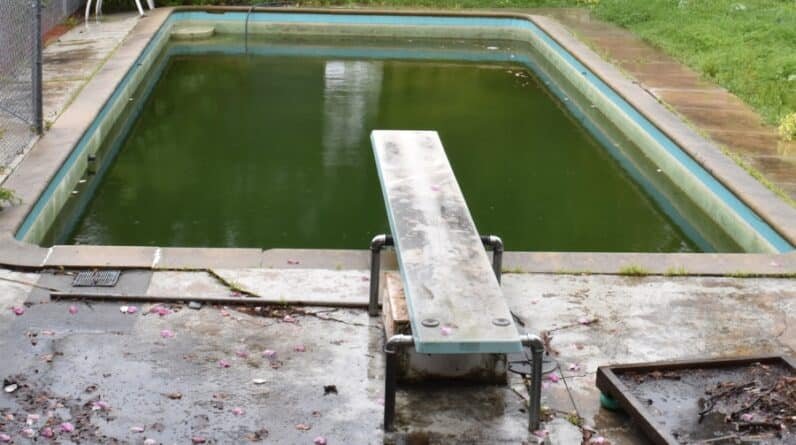
When it comes to maintaining a pristine swimming pool, having the right equipment is crucial. You’ll want to invest in a few essential tools that will make your cleaning routine efficient and effective. A good-quality skimmer net is one of the first items you should consider.
This tool allows you to easily remove leaves, insects, and other debris from the surface of the water. With a long handle, it enables you to reach every corner of your pool without having to lean over the edge, making it a safe and convenient option for regular maintenance. In addition to a skimmer net, a pool vacuum is another indispensable piece of equipment.
Whether you opt for a manual vacuum or an automatic one, this tool will help you keep the bottom of your pool free from dirt and algae. Manual vacuums require a bit more effort on your part, as you’ll need to guide them around the pool, but they can be very effective. On the other hand, automatic vacuums can save you time and energy by doing the work for you.
Regardless of which type you choose, having a reliable vacuum will ensure that your pool remains clean and inviting.
Key Takeaways
- Essential pool cleaning equipment includes a pool skimmer, pool vacuum, pool brush, and telescopic pole.
- Proper chemicals for pool maintenance include chlorine, pH increaser/decreaser, algaecide, and calcium hardness increaser.
- Regular skimming and vacuuming are important to remove debris and prevent algae growth in the pool.
- Understanding and testing water chemistry involves monitoring pH levels, alkalinity, and chlorine levels regularly.
- Maintaining pool filters and pumps is crucial for proper circulation and filtration of the pool water.
Proper Chemicals for Pool Maintenance
Sanitizing with Chlorine
Chlorine is perhaps the most well-known chemical used to sanitize pool water, killing harmful bacteria and keeping the water clear. You can choose between liquid chlorine, chlorine tablets, or granular chlorine, depending on your preference and the specific needs of your pool.
Additional Chemicals for Optimal Maintenance
In addition to chlorine, you should also consider using algaecides and pH balancers. Algaecides help prevent algae growth, which can turn your beautiful oasis into a green nightmare if left unchecked.
Maintaining the Perfect pH Balance
pH balancers are equally important, as they help maintain the acidity or alkalinity of your water. Ideally, you want your pool’s pH level to be between 7.2 and 7.8 for optimal comfort and safety. Regularly testing and adjusting these chemical levels will not only keep your pool clean but also extend the life of your pool equipment.
Importance of Regular Skimming and Vacuuming
Regular skimming and vacuuming are vital components of effective pool maintenance. By skimming the surface of your pool daily or every few days, you can prevent debris from sinking to the bottom and becoming more difficult to remove. This simple task can significantly reduce the amount of time you spend cleaning your pool in the long run.
Plus, it helps maintain the aesthetic appeal of your swimming area, ensuring that it remains inviting for family and friends. Vacuuming should be done at least once a week, depending on how much debris accumulates in your pool. If you have trees nearby or experience heavy winds, you may need to vacuum more frequently.
By removing dirt and debris from the bottom of your pool, you not only improve its appearance but also prevent potential issues with water chemistry and filtration systems. Regular skimming and vacuuming are essential practices that contribute to a healthy swimming environment.
Understanding and Testing Water Chemistry
Understanding water chemistry is crucial for maintaining a safe and enjoyable swimming experience. You’ll want to familiarize yourself with key parameters such as pH levels, chlorine concentration, alkalinity, and calcium hardness. Each of these factors plays a significant role in ensuring that your pool water is balanced and safe for swimming.
For instance, if the pH level is too high or too low, it can lead to skin irritation or damage to your pool equipment. To effectively manage these parameters, regular testing is essential. You can use test strips or liquid test kits to measure the chemical levels in your pool water.
Testing should be done at least once a week during the swimming season and more frequently if you notice any changes in water clarity or quality. By keeping a close eye on your water chemistry, you can make timely adjustments that will help maintain a safe and enjoyable swimming environment for everyone.
Maintaining Pool Filters and Pumps
Your pool’s filtration system is one of its most critical components, working tirelessly to keep the water clean and clear. Regular maintenance of both filters and pumps is essential for optimal performance. You should check your filter regularly for clogs or debris buildup that could hinder its efficiency.
Depending on the type of filter you have—sand, cartridge, or diatomaceous earth—you’ll need to follow specific cleaning procedures to ensure it operates effectively. In addition to cleaning filters, it’s important to monitor your pump’s performance as well. Make sure that it’s running smoothly and efficiently; any unusual noises or decreased water flow could indicate a problem that needs addressing.
Regularly inspecting these components will not only prolong their lifespan but also ensure that your pool remains clean and inviting throughout the swimming season.
Tips for Brushing and Scrubbing Pool Surfaces
Brushing and scrubbing are essential tasks that often get overlooked in pool maintenance routines. Over time, dirt, algae, and calcium deposits can accumulate on the walls and floor of your pool, leading to unsightly stains and potential health hazards. To combat this issue, you should brush your pool surfaces at least once a week using a brush specifically designed for your type of pool—whether it’s vinyl, fiberglass, or plaster.
When brushing, pay special attention to corners and steps where debris tends to accumulate. Using a combination of brushing and vacuuming will help ensure that all surfaces are thoroughly cleaned. Additionally, consider using a specialized scrubber for tougher stains or areas with significant buildup.
By incorporating regular brushing into your maintenance routine, you’ll not only enhance the appearance of your pool but also contribute to its overall health.
Winterizing and Opening Your Pool for the Season
As summer comes to an end, winterizing your pool becomes an important task that shouldn’t be overlooked. Proper winterization protects your investment from harsh weather conditions while ensuring that it’s ready for use when warmer months return. Start by thoroughly cleaning your pool—skimming, vacuuming, and brushing all surfaces before adding winterizing chemicals to balance the water chemistry.
Once cleaned, lower the water level below the skimmer and drain all equipment such as pumps and filters to prevent freezing damage. Covering your pool with a high-quality winter cover will also help keep debris out while protecting it from harsh elements. When spring arrives, opening your pool involves removing the cover, refilling it with water, and rebalancing the chemicals before enjoying those first refreshing swims.
Hiring Professional Pool Maintenance Services
While many homeowners take pride in maintaining their pools themselves, there are times when hiring professional services can be beneficial. If you find yourself overwhelmed by the demands of regular maintenance or simply lack the time to dedicate to it, enlisting professionals can alleviate some of that stress. Pool maintenance companies offer comprehensive services that include cleaning, chemical balancing, equipment checks, and repairs.
Additionally, professionals bring expertise that can help identify potential issues before they become major problems. They have access to specialized tools and products that may not be readily available to homeowners. By investing in professional services periodically or on a regular basis, you can ensure that your pool remains in top condition while allowing yourself more time to relax and enjoy it with family and friends.
In conclusion, maintaining a clean and safe swimming pool requires dedication and knowledge about various aspects of pool care. From essential cleaning equipment to understanding water chemistry and hiring professionals when needed, each element plays a vital role in ensuring that your pool remains an inviting oasis throughout the year. By following these guidelines and committing to regular maintenance practices, you can enjoy countless hours of relaxation and fun in your sparkling blue retreat.
FAQs
What are the essential tools for cleaning and maintaining a pool?
The essential tools for cleaning and maintaining a pool include a pool skimmer, pool brush, pool vacuum, pool test kit, pool chemicals (such as chlorine and pH balancers), and a pool cover.
How often should I clean and maintain my pool?
It is recommended to clean and maintain your pool on a weekly basis. This includes skimming the surface, brushing the walls and floor, vacuuming, and testing and adjusting the chemical levels.
What are the key steps in cleaning and maintaining a pool?
The key steps in cleaning and maintaining a pool include skimming the surface to remove debris, brushing the walls and floor to prevent algae buildup, vacuuming to remove dirt and debris, testing the water chemistry, and adding the necessary chemicals to balance the water.
Why is it important to clean and maintain a pool regularly?
Regular cleaning and maintenance of a pool are important to ensure the water is safe and healthy for swimming. It also helps to prevent algae growth, maintain proper water chemistry, and prolong the life of the pool equipment.
What are the potential consequences of not cleaning and maintaining a pool?
Neglecting to clean and maintain a pool can lead to the growth of algae, bacteria, and other harmful microorganisms in the water. It can also result in cloudy or unbalanced water, clogged filters, and damage to pool surfaces and equipment.