
When you think about designing spaces that cater to individuals with mobility challenges, it’s essential to first understand their unique needs. These individuals may face a variety of physical limitations that can affect their ability to navigate environments that many take for granted. For instance, someone who uses a wheelchair may require wider pathways and doorways, while those with limited strength might need support features like handrails or grab bars.
By recognizing these specific requirements, you can create spaces that are not only functional but also welcoming and inclusive. Moreover, it’s important to consider the emotional and psychological aspects of mobility challenges. Individuals with disabilities often experience feelings of isolation or frustration when they encounter barriers in their daily lives.
By designing spaces that are accessible, you not only enhance their physical experience but also contribute positively to their mental well-being. This understanding can guide you in making thoughtful decisions that prioritize inclusivity, ensuring that everyone can enjoy the same experiences without feeling marginalized or restricted.
Key Takeaways
- Understanding the specific needs and challenges of individuals with mobility issues is crucial for designing accessible pool features.
- Incorporating ramps and lifts for easy entry and exit can greatly improve accessibility for individuals with mobility challenges.
- Ensuring safety measures such as handrails and non-slip surfaces is essential for the safety of individuals with mobility challenges.
- Providing adequate space for maneuverability around the pool area is important for individuals with mobility challenges to navigate comfortably.
- Collaborating with accessibility experts and organizations can provide valuable insights and guidance for creating a truly accessible pool environment.
Designing Accessible Pool Features
When it comes to designing accessible pool features, your goal should be to create an environment where everyone can enjoy the water without barriers. This means considering various elements such as entry points, seating areas, and even the pool’s depth. For instance, a zero-entry pool design allows individuals to walk in gradually rather than having to navigate steps or ladders.
This feature is particularly beneficial for those who may have difficulty with traditional entry methods, as it provides a seamless transition into the water. In addition to entry points, think about the amenities surrounding the pool area. Accessible seating options, such as benches with armrests and tables at appropriate heights, can make a significant difference for individuals with mobility challenges.
You might also consider incorporating shaded areas where people can relax comfortably after swimming. By focusing on these details, you create a more inviting atmosphere that encourages everyone to participate in aquatic activities.
Incorporating Ramps and Lifts for Easy Entry and Exit

Incorporating ramps and lifts into your pool design is crucial for ensuring easy entry and exit for individuals with mobility challenges. Ramps should be designed with a gentle slope to allow for smooth navigation, making it easier for those using wheelchairs or walkers to access the water. The materials used for ramps should also provide adequate traction to prevent slipping, especially when wet.
By prioritizing these features, you create a safer and more accessible environment. Lifts are another excellent option for facilitating access to pools. Pool lifts can be installed at various points around the pool area, allowing individuals to be lowered into the water safely and comfortably.
These lifts should be user-friendly, with clear instructions and controls that are easy to operate. By providing both ramps and lifts, you ensure that everyone has the opportunity to enjoy the pool experience without feeling limited by their mobility challenges.
Ensuring Safety Measures for Individuals with Mobility Challenges
Safety is paramount when designing spaces for individuals with mobility challenges. You must consider various factors that could pose risks, such as wet surfaces, uneven ground, or inadequate lighting. Installing handrails along pathways and near pool edges can provide essential support for those who may need assistance while moving around.
Additionally, ensuring that all areas are well-lit can help prevent accidents and make navigation easier for everyone. Another critical aspect of safety is emergency preparedness. You should have clear evacuation plans in place that account for individuals with mobility challenges.
This includes ensuring that emergency exits are accessible and that staff members are trained to assist those who may need help during an emergency situation. By taking these precautions, you create a safer environment where everyone can feel secure and confident while enjoying the facilities.
Providing Adequate Space for Maneuverability
When designing spaces for individuals with mobility challenges, providing adequate space for maneuverability is essential. This means ensuring that pathways are wide enough to accommodate wheelchairs and walkers without obstruction. You should also consider the layout of furniture and fixtures to avoid creating tight corners or narrow passages that could hinder movement.
By prioritizing spaciousness in your design, you allow individuals to navigate freely and comfortably. In addition to physical space, think about how the arrangement of elements can impact accessibility. For example, placing seating areas strategically can create open zones where individuals can gather without feeling cramped.
You might also consider incorporating flexible furniture arrangements that can be easily adjusted based on the needs of users. By focusing on maneuverability, you foster an environment where everyone feels empowered to move about freely.
Utilizing Non-Slip Surfaces for Accessibility
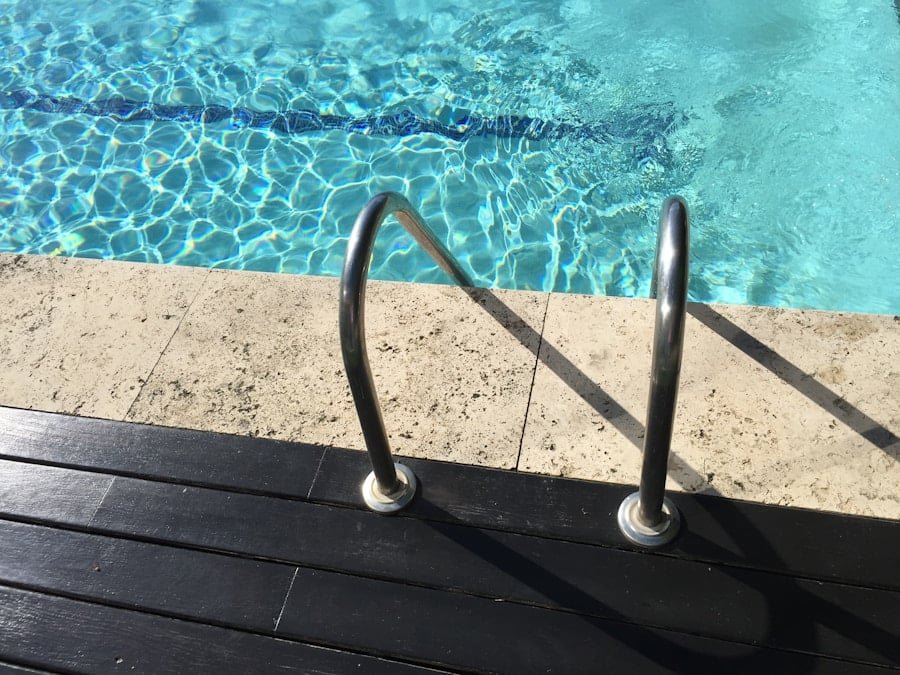
Preventing Accidents with Non-Slip Surfaces
Utilizing non-slip surfaces is vital for preventing accidents, especially in areas prone to moisture. Textured tiles or rubberized flooring can provide the necessary grip while still being aesthetically pleasing. By selecting appropriate materials, you can enhance safety without compromising on style.
Maintenance is Key to Safety and Accessibility
Regular maintenance is essential to ensure that non-slip surfaces remain effective over time. Regular cleaning and inspections can help identify any wear or damage that could lead to slipping hazards. By committing to ongoing maintenance, you demonstrate a dedication to safety and accessibility that benefits all users of the space.
Creating Safe and Accessible Spaces for All
By prioritizing the choice of flooring materials and committing to regular maintenance, you can create safe and accessible spaces that benefit everyone. This dedication to safety and accessibility is essential for creating inclusive environments that promote independence and well-being.
Collaborating with Accessibility Experts and Organizations
To create truly accessible environments, collaborating with accessibility experts and organizations is invaluable. These professionals bring a wealth of knowledge about best practices and regulations related to accessibility design. They can provide insights into specific needs that may not be immediately apparent to those without experience in this area.
By working together, you can ensure that your designs meet or exceed industry standards. Engaging with local organizations that advocate for individuals with disabilities can also provide valuable feedback on your designs. These groups often have firsthand experience navigating various environments and can offer suggestions based on real-world challenges they face.
By fostering these partnerships, you not only enhance your designs but also build a community of support around accessibility initiatives.
Educating Clients on Accessibility Options and Considerations
Finally, educating clients on accessibility options and considerations is crucial for promoting inclusive design practices. Many clients may not fully understand the importance of accessibility or may have misconceptions about what it entails. By providing clear information about the benefits of accessible design—such as increased user satisfaction and compliance with legal requirements—you can help them appreciate its value.
You might consider hosting workshops or informational sessions where clients can learn about various accessibility features and how they can be integrated into their projects. Sharing case studies or success stories from other accessible designs can also inspire clients to embrace these principles in their own work. By prioritizing education, you empower clients to make informed decisions that promote inclusivity and accessibility in their spaces.
In conclusion, creating accessible environments for individuals with mobility challenges requires a comprehensive understanding of their needs and thoughtful design considerations. From incorporating ramps and lifts to ensuring safety measures and utilizing non-slip surfaces, every detail matters in fostering an inclusive atmosphere. By collaborating with experts and educating clients on accessibility options, you contribute positively to the lives of those facing mobility challenges, allowing them to enjoy spaces that are welcoming and accommodating.
FAQs
What are some common concerns about pool accessibility for individuals with mobility challenges?
Some common concerns about pool accessibility for individuals with mobility challenges include difficulty entering and exiting the pool, navigating the pool area, and accessing pool features such as handrails and lifts.
How do pool builders address concerns about pool accessibility for individuals with mobility challenges?
Pool builders address concerns about pool accessibility for individuals with mobility challenges by incorporating features such as sloped entries, pool lifts, handrails, and non-slip surfaces. They also ensure that the pool area is easily navigable for individuals using mobility aids.
What are some specific features that pool builders may incorporate to improve pool accessibility?
Specific features that pool builders may incorporate to improve pool accessibility include zero-entry or beach entry designs, pool lifts, transfer systems, handrails, non-slip surfaces, and accessible pathways around the pool area.
Are there regulations or guidelines that pool builders must follow to ensure pool accessibility for individuals with mobility challenges?
Yes, there are regulations and guidelines, such as the Americans with Disabilities Act (ADA) and the International Code Council (ICC) standards, that pool builders must follow to ensure pool accessibility for individuals with mobility challenges. These regulations outline specific requirements for pool design, features, and access.