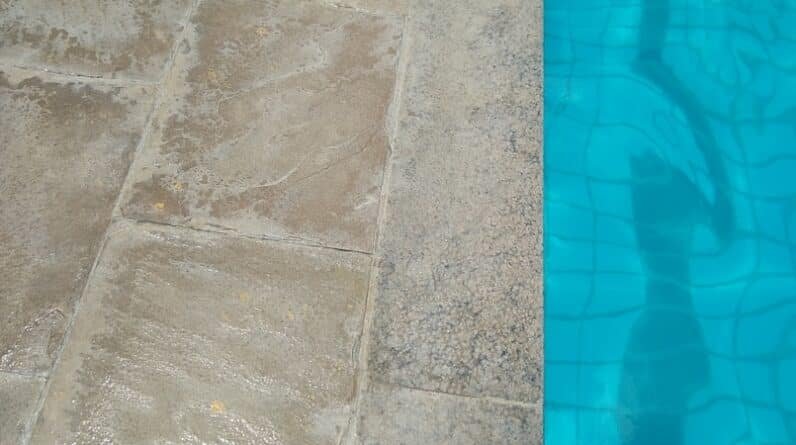
When it comes to creating your dream pool, the finish you choose plays a pivotal role in both aesthetics and functionality. The finish not only enhances the visual appeal of your pool but also affects its longevity and maintenance requirements. As you embark on this journey, understanding the various types of pool finishes available will empower you to make an informed decision that aligns with your style and practical needs.
Pool finishes can be categorized into several types, each offering unique characteristics and benefits. From the classic elegance of plaster to the modern sophistication of tiles, the options are vast. As you explore these finishes, consider how they will complement your outdoor space and reflect your personal taste.
The right finish can transform your pool into a stunning centerpiece that invites relaxation and enjoyment for years to come.
Key Takeaways
- Pool finishes are an important aspect of pool design, impacting both aesthetics and functionality.
- Plaster finishes offer a classic and affordable option, but may require more maintenance and have a shorter lifespan.
- Tile finishes provide a customizable and durable option, but can be more expensive and require meticulous installation.
- Pebble finishes offer a natural and textured look, with excellent durability and low maintenance, but come at a higher cost.
- Customization options for pool finishes include color, pattern, and texture, allowing for a personalized and unique pool design.
Plaster Finishes
Plaster finishes are among the most traditional and widely used options for swimming pools. Composed primarily of a mixture of cement, sand, and water, plaster provides a smooth surface that feels pleasant against the skin. One of the most appealing aspects of plaster is its versatility; it can be tinted in various colors to match your desired aesthetic.
Whether you prefer a classic white finish or a more vibrant hue, plaster can be customized to suit your vision. However, while plaster finishes are aesthetically pleasing, they do require regular maintenance to keep them looking their best. Over time, exposure to chemicals and sunlight can lead to fading or discoloration.
You may find that periodic re-plastering is necessary to maintain the surface’s integrity and appearance. Despite this upkeep, many pool owners appreciate the affordability and timeless charm that plaster finishes bring to their pools.
Tile Finishes
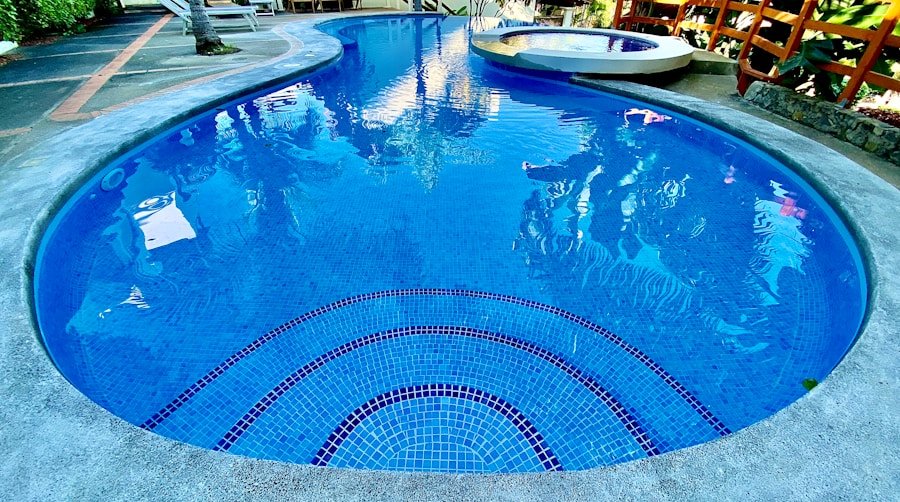
Tile finishes offer a sophisticated alternative to traditional plaster, providing a durable and visually striking option for your pool. Available in a wide range of materials, including ceramic, glass, and stone, tiles can create intricate designs and patterns that elevate the overall look of your pool area. The reflective qualities of glass tiles, for instance, can create a shimmering effect that enhances the water’s appearance, making it an attractive choice for those looking to make a statement.
In addition to their aesthetic appeal, tile finishes are known for their durability. Unlike plaster, tiles are less prone to staining and fading, making them a low-maintenance option in the long run. However, it’s essential to consider the grout lines between tiles, as they may require occasional cleaning or sealing to prevent mold or mildew buildup.
Overall, tile finishes provide a luxurious feel while offering practical benefits that can enhance your swimming experience.
Pebble Finishes
If you’re seeking a more natural look for your pool, pebble finishes might be the perfect choice for you. Composed of small stones mixed with cement, pebble finishes create a textured surface that mimics the beauty of nature. This type of finish not only adds visual interest but also provides excellent slip resistance, making it a safe option for families with children or pets.
One of the standout features of pebble finishes is their durability. The stones used in this finish are resistant to fading and wear, ensuring that your pool maintains its beauty over time. Additionally, pebble finishes are less prone to algae growth compared to smoother surfaces, which can make maintenance easier for you.
While the initial installation cost may be higher than plaster or tile options, many pool owners find that the long-term benefits justify the investment.
Customization Options
When it comes to pool finishes, customization is key to achieving a look that reflects your personal style. Many manufacturers offer a variety of colors, textures, and materials that allow you to create a unique finish tailored to your preferences. For instance, you might choose a specific shade of blue plaster that complements your landscaping or opt for mosaic tiles that add a pop of color and personality.
In addition to color choices, you can also explore different textures and patterns. Some finishes allow for creative designs that incorporate various shapes or motifs, giving your pool a distinctive flair. As you consider customization options, think about how these choices will harmonize with your overall outdoor space and contribute to the ambiance you wish to create.
Durability and Maintenance
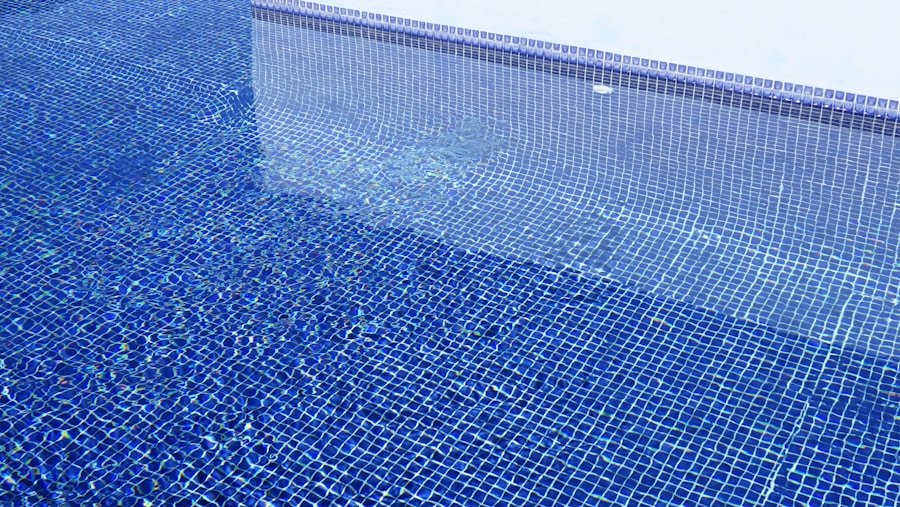
Durability is a crucial factor when selecting a pool finish, as it directly impacts how often you’ll need to perform maintenance tasks. Plaster finishes may require more frequent upkeep due to their susceptibility to wear and tear from chemicals and environmental factors. In contrast, tile and pebble finishes tend to be more resilient, offering longer-lasting beauty with less effort on your part.
Maintenance requirements can vary significantly depending on the type of finish you choose. For example, while tile finishes may need occasional grout cleaning or sealing, pebble finishes often require less attention due to their natural resistance to algae growth. As you weigh your options, consider how much time and effort you’re willing to invest in maintaining your pool’s appearance over the years.
Cost Considerations
Cost is an essential aspect of any home improvement project, and pool finishes are no exception. The price of different finishes can vary widely based on materials, installation complexity, and customization options. Plaster finishes are generally the most budget-friendly option upfront; however, keep in mind that they may require more frequent repairs or re-plastering over time.
On the other hand, tile and pebble finishes typically come with higher initial costs but can offer better long-term value due to their durability and lower maintenance needs. As you evaluate your budget for your pool project, consider not only the initial investment but also the potential long-term costs associated with upkeep and repairs. This comprehensive approach will help you make a financially sound decision that aligns with your goals.
Choosing the Right Finish for Your Pool
Selecting the right finish for your pool is a decision that should be made thoughtfully, taking into account various factors such as aesthetics, durability, maintenance requirements, and budget constraints. Start by envisioning how you want your pool area to look and feel—do you prefer a classic or modern vibe? Are you drawn to natural textures or sleek surfaces?
Once you’ve established your vision, research the different types of finishes available and weigh their pros and cons against your lifestyle needs. If you have young children or pets, for instance, you might prioritize safety features like slip resistance found in pebble finishes. Alternatively, if you’re looking for low-maintenance options that still offer elegance, tile finishes could be ideal.
Ultimately, choosing the right finish for your pool is about finding a balance between beauty and practicality. By considering all aspects—from design preferences to long-term maintenance—you’ll be well-equipped to make a choice that enhances both your outdoor space and your enjoyment of it for years to come.
FAQs
What are the common pool finishes offered by pool builders?
Pool builders typically offer three main options for pool finishes: plaster, tile, and pebble finishes. Each option has its own unique characteristics and benefits.
What is plaster pool finish?
Plaster pool finish is a traditional and cost-effective option for pool surfaces. It is made of a mixture of white cement, marble dust, and water, and can be tinted to various colors. Plaster provides a smooth and classic look to the pool.
What are the advantages of tile pool finish?
Tile pool finish is known for its durability and aesthetic appeal. It offers a wide range of design options, as tiles come in various colors, shapes, and patterns. Tile finishes are also resistant to chemical damage and can last for a long time.
What are the benefits of pebble pool finish?
Pebble pool finish is a popular choice for its natural and textured appearance. It is made of small, smooth pebbles mixed with cement, and it provides a unique and visually appealing surface. Pebble finishes are also known for their durability and resistance to staining and chemical damage.
Can pool builders offer customized finishes?
Yes, pool builders can often offer customized finishes to meet the specific preferences and needs of their clients. This may include creating unique color combinations, patterns, or designs for plaster, tile, or pebble finishes.