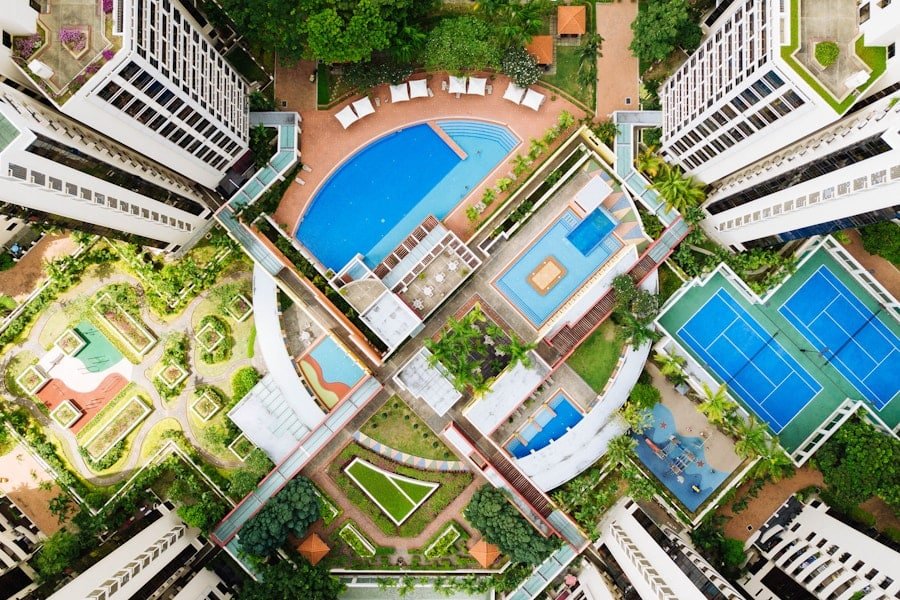
In today’s rapidly changing world, the significance of eco-friendly construction cannot be overstated. As you navigate through the complexities of modern living, you may find that the choices made in building and development have far-reaching implications for the environment. Eco-friendly construction practices aim to minimize the negative impact on the planet while promoting sustainability and resource conservation.
By prioritizing environmentally responsible methods, you contribute to a healthier ecosystem, reduce waste, and help combat climate change. Moreover, eco-friendly construction is not just about protecting the environment; it also enhances the quality of life for individuals and communities. As you consider where to live or work, you may appreciate spaces that are designed with natural light, improved air quality, and energy efficiency in mind.
These elements not only create a more pleasant atmosphere but also promote well-being and productivity. By embracing eco-friendly construction, you are investing in a future that values both human health and environmental integrity.
Key Takeaways
- Eco-friendly construction is important for reducing environmental impact and promoting sustainability.
- Sustainable materials and building techniques play a crucial role in eco-friendly construction.
- Energy-efficient design and technology are essential for reducing energy consumption in buildings.
- Green building certifications and standards help ensure that construction projects meet environmental requirements.
- Green construction benefits the environment by reducing carbon emissions and preserving natural resources.
Sustainable Materials and Building Techniques
When it comes to eco-friendly construction, the choice of materials plays a pivotal role. You might be surprised to learn that sustainable materials can be sourced from renewable resources, recycled products, or even locally available options. For instance, bamboo is a rapidly renewable resource that can be used for flooring and structural elements, while reclaimed wood offers a unique aesthetic and reduces the demand for new timber.
By opting for these materials, you not only lessen your carbon footprint but also support local economies and reduce transportation emissions. In addition to material selection, the techniques employed in construction are equally important. You may find that innovative building methods such as modular construction or prefabrication can significantly reduce waste and energy consumption.
These techniques allow for greater precision in building, minimizing excess materials and labor costs. As you explore these options, consider how they can lead to more efficient use of resources while still achieving high-quality results. By integrating sustainable materials and techniques into your projects, you are taking a proactive step toward a more responsible approach to construction.
Energy-Efficient Design and Technology
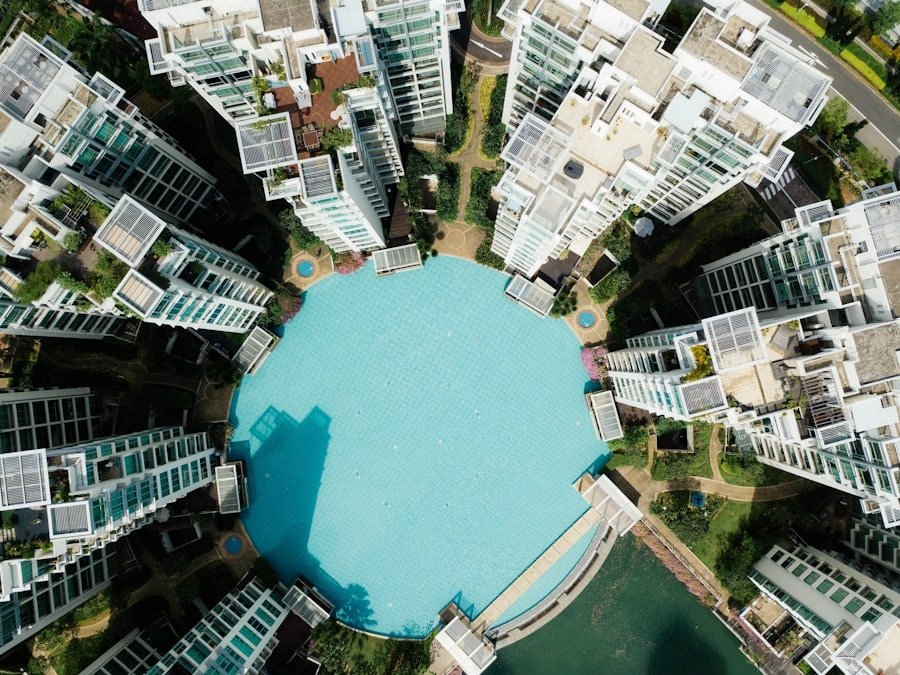
Energy efficiency is a cornerstone of eco-friendly construction, and as you delve into this topic, you’ll discover a wealth of design strategies and technologies aimed at reducing energy consumption. One of the most effective ways to enhance energy efficiency is through passive design principles. This approach involves orienting buildings to maximize natural light and ventilation, which can significantly reduce reliance on artificial lighting and heating systems.
You may find that incorporating large windows or strategically placed overhangs can create comfortable indoor environments while minimizing energy use. In addition to passive design, advancements in technology have revolutionized energy-efficient construction. You might be intrigued by smart home systems that allow for real-time monitoring and control of energy usage.
These systems can optimize heating, cooling, and lighting based on occupancy patterns, ensuring that energy is used only when necessary. Furthermore, renewable energy sources such as solar panels or wind turbines can be integrated into building designs, providing clean energy that reduces dependence on fossil fuels. By embracing these energy-efficient strategies and technologies, you are not only lowering operational costs but also contributing to a more sustainable future.
Green Building Certifications and Standards
As you explore the realm of eco-friendly construction, you’ll encounter various green building certifications and standards that guide developers and builders in their efforts to create sustainable structures. Programs such as LEED (Leadership in Energy and Environmental Design) provide a framework for assessing the environmental performance of buildings across multiple categories, including energy efficiency, water conservation, and indoor air quality. By pursuing these certifications, you can ensure that your projects meet rigorous sustainability criteria while also gaining recognition for your commitment to green building practices.
In addition to LEED, other certification programs like BREEAM (Building Research Establishment Environmental Assessment Method) and the Living Building Challenge offer alternative pathways for achieving sustainability goals. Each program has its unique focus and requirements, allowing you to choose one that aligns with your specific project objectives. As you familiarize yourself with these standards, consider how they can enhance your credibility as a builder or developer while also providing valuable guidance on best practices in eco-friendly construction.
Benefits of Green Construction for the Environment
The environmental benefits of green construction are profound and multifaceted. As you engage with eco-friendly practices, you’ll find that they contribute significantly to reducing greenhouse gas emissions and conserving natural resources. For instance, by utilizing sustainable materials and energy-efficient technologies, you can help decrease the demand for non-renewable resources such as fossil fuels and timber from endangered forests.
This shift not only protects biodiversity but also promotes healthier ecosystems. Additionally, green construction practices often lead to improved water management strategies. You may discover that rainwater harvesting systems or permeable paving can mitigate stormwater runoff and reduce the risk of flooding in urban areas.
By implementing these solutions, you are actively participating in the preservation of local water resources while enhancing resilience against climate-related challenges. Ultimately, the environmental benefits of green construction extend beyond individual projects; they contribute to a collective effort toward a more sustainable planet.
Cost-Effective Eco-Friendly Construction
Long-term Savings
While the initial investment in sustainable materials or technologies may seem higher upfront, the long-term savings associated with reduced energy consumption and maintenance costs often outweigh these expenses.
Financial Incentives
Many green buildings achieve significant operational savings over their lifetimes due to lower utility bills and increased durability. Moreover, various financial incentives exist to encourage eco-friendly construction practices, such as government programs offering tax credits or grants for projects that meet specific sustainability criteria.
Increased Property Values
As public awareness of environmental issues grows, demand for sustainable buildings is on the rise, which can lead to increased property values over time. By considering these factors, it becomes clear that eco-friendly construction not only benefits the environment but also makes sound financial sense.
Case Studies of Successful Green Construction Projects
To truly appreciate the impact of eco-friendly construction, examining successful case studies can provide valuable insights. One notable example is The Edge in Amsterdam, often hailed as one of the greenest office buildings in the world. With its innovative design featuring solar panels, rainwater harvesting systems, and an advanced energy management system, The Edge exemplifies how sustainable practices can create a productive work environment while minimizing environmental impact.
As you explore such projects, consider how they serve as models for future developments. Another inspiring case study is the Bullitt Center in Seattle, which has been dubbed the “greenest commercial building” due to its commitment to achieving net-zero energy consumption. The building incorporates features such as composting toilets, a green roof, and extensive use of reclaimed materials.
By studying these successful projects, you can gain insights into best practices and innovative solutions that can be applied to your own endeavors in eco-friendly construction.
Future Trends in Eco-Friendly Construction
As you look ahead to the future of eco-friendly construction, several trends are emerging that promise to shape the industry in exciting ways. One significant trend is the increasing integration of technology into building design and operation. Smart buildings equipped with IoT (Internet of Things) devices can monitor energy usage in real-time and adjust systems accordingly to optimize efficiency.
This level of automation not only enhances comfort but also allows for more precise management of resources. Another trend gaining momentum is the focus on circular economy principles within construction practices. You may find that more builders are prioritizing materials that can be reused or recycled at the end of their life cycle rather than disposed of in landfills.
This shift toward sustainability not only conserves resources but also fosters innovation in material science as new solutions are developed to support this approach. In conclusion, as you navigate the world of eco-friendly construction, it becomes clear that your choices have far-reaching implications for both the environment and society at large. By embracing sustainable materials, energy-efficient design principles, and innovative technologies, you can contribute to a healthier planet while also enjoying the benefits of cost-effective building practices.
The future of construction lies in our ability to create spaces that harmonize with nature while meeting the needs of modern living—an endeavor well worth pursuing.
FAQs
What is the Green Pool Revolution?
The Green Pool Revolution refers to the shift towards eco-friendly approaches to construction, particularly in the design and maintenance of swimming pools.
What are some eco-friendly approaches to pool construction?
Some eco-friendly approaches to pool construction include using energy-efficient pumps and filters, incorporating natural landscaping to reduce water usage, and utilizing non-toxic and sustainable materials for pool construction.
How can eco-friendly pool construction benefit the environment?
Eco-friendly pool construction can benefit the environment by reducing energy consumption, minimizing water usage, and decreasing the use of harmful chemicals, thus lowering the overall environmental impact of pool maintenance.
What are some examples of sustainable materials used in eco-friendly pool construction?
Examples of sustainable materials used in eco-friendly pool construction include recycled glass tiles, natural stone for decking, and eco-friendly pool finishes made from non-toxic materials.
How can pool owners maintain eco-friendly practices after construction?
Pool owners can maintain eco-friendly practices by using solar covers to reduce heat loss and evaporation, regularly maintaining and cleaning pool equipment to ensure optimal efficiency, and utilizing natural cleaning products to minimize the use of harsh chemicals.