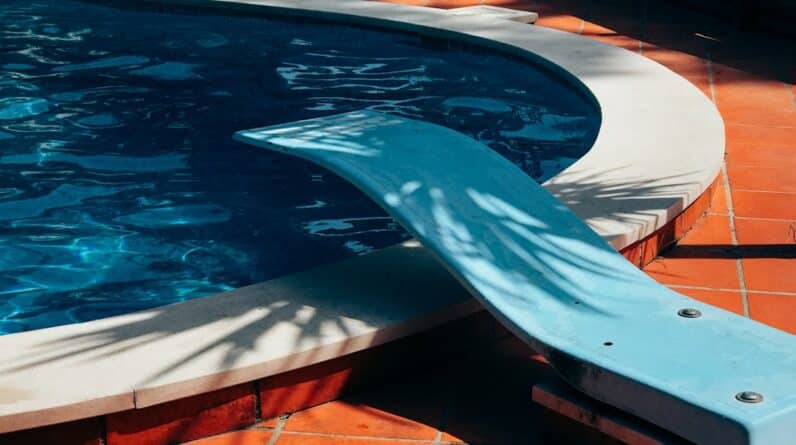
Algae growth in your pool can be a frustrating issue, often arising from a combination of environmental factors and improper maintenance. One of the primary causes is the presence of sunlight, which provides the energy algae need to thrive. When your pool is exposed to direct sunlight for extended periods, it creates an ideal environment for algae spores to flourish.
Additionally, warm water temperatures can accelerate algae growth, making it crucial to monitor the temperature of your pool, especially during the hot summer months. Another significant factor contributing to algae growth is poor water circulation. If your pool’s water isn’t circulating properly, certain areas may become stagnant, allowing algae to settle and multiply.
Furthermore, inadequate filtration can lead to a buildup of organic debris, which serves as a nutrient source for algae. Understanding these causes is the first step in preventing algae from taking over your pool and ensuring a clean and inviting swimming environment.
Key Takeaways
- Algae growth in pools is caused by a combination of sunlight, warm temperatures, and nutrients such as phosphates and nitrates.
- Maintaining proper water chemistry with balanced pH, alkalinity, and sanitizer levels is crucial in preventing algae growth.
- Algaecides and clarifiers can be used to effectively control and prevent algae growth in your pool.
- Regularly brushing and vacuuming your pool helps to physically remove algae and prevent it from spreading.
- Keeping your pool filter clean is essential in preventing algae buildup and maintaining water clarity.
Maintaining Proper Water Chemistry to Prevent Algae
To keep algae at bay, maintaining proper water chemistry is essential. The balance of chemicals in your pool water plays a pivotal role in inhibiting algae growth. Regularly testing your water for pH, chlorine levels, and alkalinity will help you identify any imbalances that could encourage algae proliferation.
Ideally, your pH should be between 7.2 and 7.6, while chlorine levels should be maintained at 1-3 parts per million (ppm). When these levels are within the recommended range, you create an environment that is less hospitable to algae. In addition to monitoring pH and chlorine levels, it’s important to pay attention to total alkalinity and calcium hardness.
Total alkalinity acts as a buffer for pH levels, helping to stabilize them and prevent fluctuations that could lead to algae growth. Calcium hardness ensures that your pool water is balanced and prevents corrosion or scaling. By regularly testing and adjusting these chemical levels, you can significantly reduce the likelihood of algae taking hold in your pool.
Using Algaecides and Clarifiers to Control Algae Growth
When it comes to controlling algae growth, algaecides and clarifiers can be valuable tools in your arsenal. Algaecides are specifically formulated chemicals designed to kill existing algae and prevent future outbreaks. They come in various types, including copper-based and quaternary ammonium compounds, each with its own strengths and weaknesses.
When using algaecides, it’s essential to follow the manufacturer’s instructions carefully to ensure effectiveness and safety. Clarifiers, on the other hand, work by coagulating tiny particles in the water, making it easier for your pool filter to remove them. This can be particularly helpful if you notice cloudy water or if you’ve recently dealt with an algae bloom.
By using both algaecides and clarifiers as part of your regular maintenance routine, you can effectively manage algae growth and keep your pool water crystal clear.
Regularly Brushing and Vacuuming Your Pool to Remove Algae
One of the most effective ways to combat algae growth is through regular brushing and vacuuming of your pool surfaces. Brushing helps dislodge any algae that may be clinging to walls or steps, making it easier for your filtration system to remove them. It’s recommended that you brush your pool at least once a week, paying special attention to corners and areas with poor circulation where algae are more likely to accumulate.
Vacuuming is equally important in this process. By removing debris and organic matter from the bottom of your pool, you reduce the nutrients available for algae growth. Whether you choose a manual vacuum or an automatic one, make it a point to vacuum your pool regularly.
This proactive approach not only helps keep algae at bay but also enhances the overall cleanliness and appearance of your swimming area.
Keeping Your Pool Filter Clean to Prevent Algae Buildup
A clean pool filter is crucial for maintaining clear water and preventing algae buildup. Over time, filters can become clogged with dirt, debris, and even dead algae, which can hinder their effectiveness. Regularly checking and cleaning your filter will ensure that it operates efficiently and keeps your pool water circulating properly.
Depending on the type of filter you have—be it sand, cartridge, or diatomaceous earth—cleaning methods may vary. For sand filters, backwashing is typically required every few weeks or when the pressure gauge indicates a rise in pressure. Cartridge filters should be removed and rinsed with a hose every month or so, while diatomaceous earth filters need to be recharged with DE powder after cleaning.
By keeping your filter clean and well-maintained, you significantly reduce the chances of algae taking hold in your pool.
Using a Pool Cover to Prevent Sunlight and Debris from Fueling Algae Growth
Using a pool cover is an effective strategy for preventing algae growth by limiting sunlight exposure and keeping debris out of the water. When your pool is covered, it not only blocks sunlight—one of the primary catalysts for algae growth—but also prevents leaves, dirt, and other organic materials from entering the water. This reduces the nutrient load in your pool, making it less hospitable for algae.
There are various types of pool covers available, including solid covers that completely block light and mesh covers that allow water to drain while keeping larger debris out. Choosing the right cover for your needs can make a significant difference in maintaining clean water during off-seasons or when the pool is not in use. By incorporating a pool cover into your maintenance routine, you can effectively minimize the risk of algae blooms.
Monitoring and Adjusting Your Pool’s pH and Alkalinity Levels
Monitoring and adjusting your pool’s pH and alkalinity levels is vital for preventing algae growth and ensuring a safe swimming environment. As mentioned earlier, maintaining a pH level between 7.2 and 7.6 is essential for optimal chlorine effectiveness. If your pH is too high or too low, it can lead to reduced chlorine efficiency, allowing algae to thrive.
Total alkalinity acts as a buffer for pH levels; therefore, keeping it within the recommended range of 80-120 ppm is crucial for stabilizing pH fluctuations. Regular testing with a reliable test kit will help you stay on top of these levels. If adjustments are needed, you can use pH increasers or decreasers as necessary.
By diligently monitoring these parameters, you create an environment that discourages algae growth while promoting overall water quality.
Utilizing a UV-C Sanitizer to Kill Algae and Bacteria in Your Pool
Incorporating a UV-C sanitizer into your pool maintenance routine can provide an additional layer of protection against algae and bacteria. UV-C sanitizers work by emitting ultraviolet light that disrupts the DNA of microorganisms like algae and bacteria, rendering them unable to reproduce. This technology offers a chemical-free method of sanitization that complements traditional chlorine treatments.
While UV-C sanitizers are not a standalone solution for pool sanitation, they can significantly enhance the effectiveness of your existing chemical treatments. By reducing the overall chemical demand on chlorine or bromine, UV-C systems help maintain clearer water while minimizing potential irritants associated with high chemical levels. If you’re looking for a modern approach to pool maintenance that prioritizes both cleanliness and swimmer comfort, consider investing in a UV-C sanitizer.
Installing a Pool Skimmer to Remove Organic Debris and Algae Spores
A pool skimmer is an essential tool for maintaining clean water by removing organic debris before it has a chance to decompose and contribute to algae growth. Skimmers work by capturing leaves, insects, and other floating debris from the surface of the water as it circulates through the filtration system. By regularly emptying the skimmer basket, you ensure that these materials do not sink to the bottom or break down into nutrients that could fuel algae blooms.
In addition to surface skimmers, consider installing a skimmer net or using a handheld skimmer for more thorough cleaning during routine maintenance sessions. The more proactive you are about removing organic matter from your pool, the less likely you are to encounter persistent algae problems down the line.
Implementing a Regular Pool Maintenance Schedule to Prevent Algae
Establishing a regular maintenance schedule is one of the most effective ways to prevent algae growth in your pool. Consistency is key when it comes to keeping your pool clean and balanced; therefore, setting aside specific days each week for tasks such as testing water chemistry, brushing surfaces, vacuuming debris, and cleaning filters will help you stay organized. In addition to weekly tasks, consider seasonal maintenance activities such as deep cleaning before opening your pool for summer or winterizing it properly at the end of the season.
By adhering to a structured maintenance schedule tailored to your specific needs, you can significantly reduce the risk of algae outbreaks while ensuring that your swimming environment remains inviting year-round.
Seeking Professional Help for Persistent Algae Problems in Your Pool
If you’ve tried various methods to control algae growth in your pool but still find yourself struggling with persistent issues, it may be time to seek professional help. Pool maintenance experts have access to specialized tools and knowledge that can help identify underlying problems contributing to algae blooms—such as equipment malfunctions or imbalances in water chemistry that may not be immediately apparent. Professional services can provide thorough cleaning treatments that go beyond standard maintenance practices, ensuring that all traces of algae are eliminated from your pool surfaces and systems.
Additionally, they can offer tailored advice on long-term solutions based on their assessment of your specific situation. By enlisting professional assistance when needed, you can regain control over your pool’s cleanliness and enjoy a refreshing swimming experience without the worry of recurring algae problems.
FAQs
What causes algae to grow in a pool?
Algae growth in a pool is typically caused by a combination of warm temperatures, sunlight, and the presence of nutrients such as phosphates and nitrates in the water. These conditions create an ideal environment for algae to thrive.
How can I prevent algae from growing in my pool?
To prevent algae growth, it is important to maintain proper water chemistry by regularly testing and balancing the pH, alkalinity, and sanitizer levels in the pool. Additionally, using an algaecide and regularly brushing and vacuuming the pool can help prevent algae from taking hold.
How do I remove algae from my pool?
To remove algae from a pool, it is important to first shock the pool with a high dose of chlorine to kill the existing algae. This should be followed by brushing the pool walls and floor to loosen the algae, and then vacuuming the pool to remove the dead algae. It may also be necessary to use an algaecide to help eliminate any remaining algae.
What are some additional tips for preventing algae in my pool?
In addition to maintaining proper water chemistry and using algaecides, it is important to regularly clean and maintain the pool filter, skimmer, and pump to ensure proper circulation and filtration. It is also helpful to regularly remove debris from the pool and to keep the pool covered when not in use to minimize sunlight exposure.